Play Classic Canasta Against the Computer
The beloved 1950s meld-and-canasta game, against clever computer opponents - or race a friend live in multiplayer. No download, no signup.Canasta.now is a free online home for the classic card game of Canasta, with 11 variants - Classic, Two-Handed, Hand and Foot, Samba and more - a shared daily deal, and real-time multiplayer that lets you and a friend play the identical shuffle. Deal cards, build melds, complete a canasta of seven, and be the first side to the target score. There is nothing to download and no account required: the table below is ready whenever you are.
Other games worth playing
How Classic Works
In a nutshell: The original two-deck partnership game everyone means by Canasta. It is played by 4 players with 2 decks plus jokers, rated easy to learn, deep to master, and the goal is: first side to 5,000 points.
Classic Canasta is the original two-deck partnership game that swept the world in the early 1950s, and it is the version most people mean when they simply say Canasta. Four players sit in two fixed partnerships, drawing from a shared stock or scooping up the discard pile, then building melds of matching ranks until a partnership completes a canasta of seven cards. Red threes sit aside as bonuses, wild jokers and twos flesh out weaker melds, and black threes lurk as tiny roadblocks on the discard pile. What keeps Classic Canasta endlessly replayable is the tension between speed and patience: rush to go out and you leave points on the table, but hoard cards too long and the pile grows into a prize your opponents may snatch first. Managing the minimum-meld requirement, freezing the pile at the right moment, and timing the close are the skills that separate a casual player from a partnership that reaches 5,000 first.
Classic belongs to the Classic branch of Canasta. If it suits you, deal a hand of Two-Handed Canasta or Hand and Foot next, or go back to the standard game of Classic Canasta. If any move below is new to you, the Canasta rules walk through the deal, melding and going out step by step, and the Canasta glossary defines terms like a natural canasta, a wild card and freezing the pile. When you want to compete, take Classic to today's daily deal or play a friend in live multiplayer, and see where your score lands on the leaderboard.
Quick facts about Classic
| Goal | Team up with your partner to build melds of matching cards into canastas of seven, then go out before the opponents, racing across several hands toward the winning total of 5,000 points. |
|---|---|
| Cards | 2 standard 52-card decks plus jokers |
| Players | 4 players (two partnerships) |
| Difficulty | Easy to learn, deep to master |
| Winning target | First side to 5,000 points |
| Play modes | Partners · 4P, 2 Players |
| Family | Classic |
Playing a turn, step by step
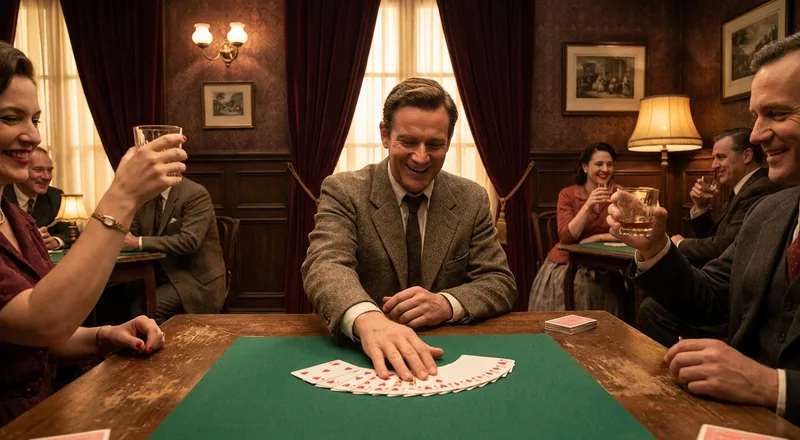
Goal
Team up with your partner to build melds of matching cards into canastas of seven, then go out before the opponents, racing across several hands toward the winning total of 5,000 points.
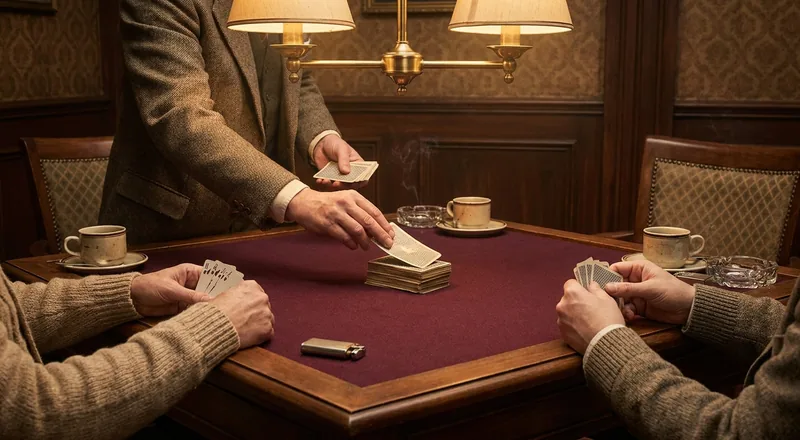
The deal
Two full decks plus four jokers are shuffled together and each player receives eleven cards, with one card turned up to start the discard pile and the rest set aside as the face-down stock.
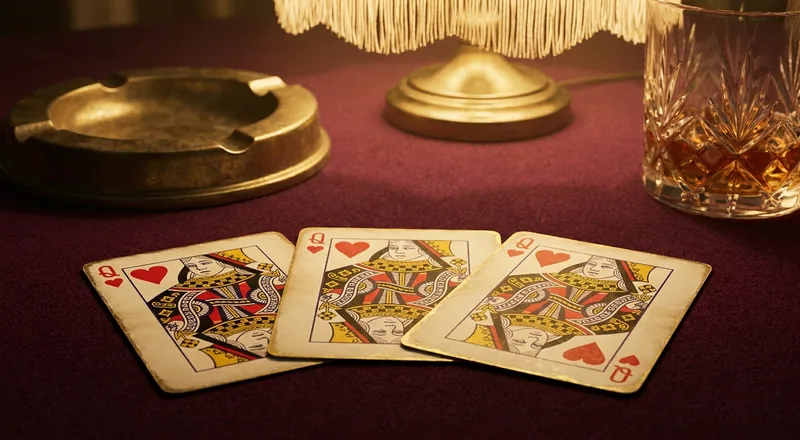
Melding
On your turn draw a card, then lay down melds of three or more cards of the same rank, using at most three wild cards per meld and always keeping at least two natural cards in it.
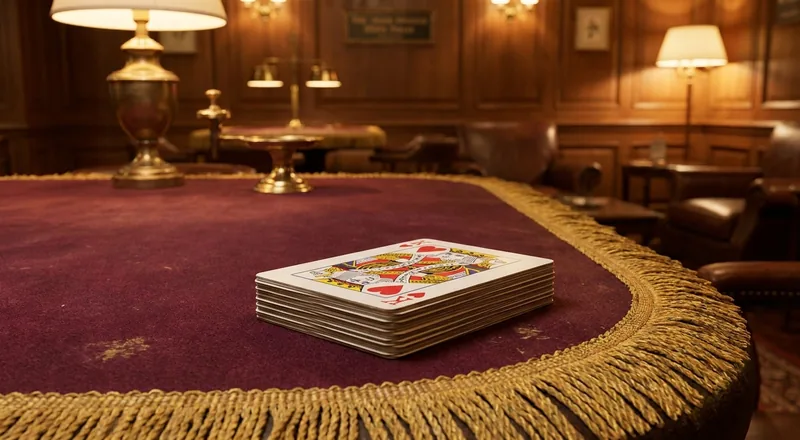
Canastas
Grow any meld to seven or more cards to complete a canasta, scoring 500 for a clean one made without wilds and 300 for a mixed one that contains a joker or a two.
Taking the discard pile
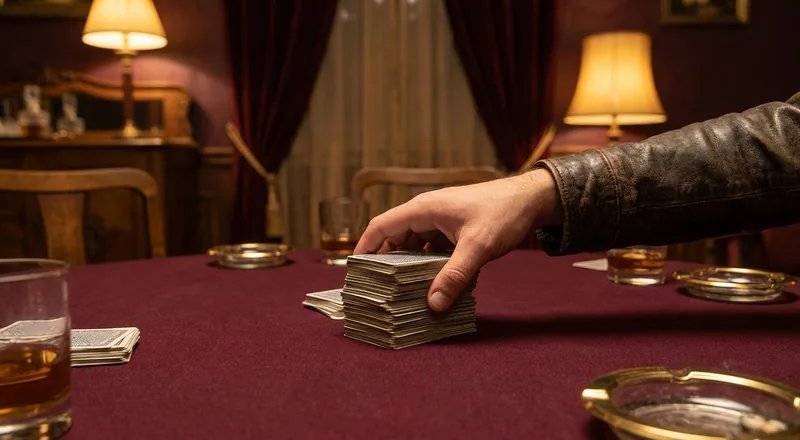
Instead of drawing you may take the whole discard pile when its top card matches a meld you hold or pairs with two natural cards in your hand, a powerful swing that can hand you dozens of cards at once.
Where Classic Comes From
Canasta was born in Montevideo, Uruguay, in the mid-1940s, credited to lawyer Segundo Santos and his partner Alberto Serrato, who wanted a faster, friendlier alternative to the long rummy games of the day. The name is Spanish for basket, a nod to the tray that once held the draw and discard cards at the table.
From Uruguay the game leapt to Argentina and then to the United States, where a New York importer and a handful of enthusiasts published the rules around 1949. What followed was one of the great card fads in history: between 1950 and 1952 Canasta outsold every other game in America, filled newspaper columns, and inspired dozens of rule books that standardized the two-deck partnership form.
That standardized two-deck, four-player partnership game is what we now call Classic Canasta. Later decades spun off three-deck South American versions, the American tournament rules, and the sprawling Hand and Foot family, but the classic remains the reference point. Its blend of luck, teamwork, and the ever-tempting discard pile is exactly why it endured long after the craze cooled.
Winning Strategy for Classic
💡 Top tip: Chase the discard pile, not just the stock. The player who captures a fat pile usually wins the hand, so shape your hand around the card sitting on top of it.
Tips that raise your score
- Keep a natural pair of high cards back so you can pounce on the pile the moment it is frozen.
- Do not break up potential canastas to meet the opening minimum; wait a turn for a safer entry rather than crippling your best rank.
- Freeze the pile with a wild card when the opponents are hungry for it and you are not ready to take it yourself.
- Hold black threes to discard when the pile is worth denying, since they block your opponents for one full turn.
- Save at least one safe discard for the endgame so you are not forced to feed the pile when melds are on the table.
- Count the stock as it thins and start planning your close, because being caught with a full hand when the stock runs out surrenders all those points.
Expert-level Classic tactics
- Track which ranks your partner keeps discarding; matching your melds to their leftovers lets your side recapture the pile in a relay.
- When your team is over 3,000 and facing a 120 minimum, plan two turns ahead so a single lucky draw can unlock the whole meld at once.
- Deny the pile late by discarding the opponents' just-melded rank only when you are certain they cannot lay it off for the win.
- Concealed going out doubles the pressure: hold your melds in hand and drop them all in one turn for the 200 bonus when your partner has already opened.
- Weigh the 100-point going-out bonus against the cards still in hand; sometimes staying in one more turn to finish a second canasta is worth far more.
- Use twos as wild cards early but keep one in reserve to freeze the pile defensively when the count on the table swings against you.
- Read the opponents' minimum-meld threshold from the scoreboard; when they need 120 you can build the pile safely because they cannot open on a thin top card.
Mistakes that cost beginners the hand
- Discarding a high card that lets an opponent scoop a huge frozen pile - track what the pile is worth and throw safe low cards or black threes when it grows dangerous.
- Hoarding wild cards instead of saving natural pairs - keep matching naturals in hand so you can seize a frozen pile the moment its top card fits.
- Racing to go out before your side owns a completed canasta - finish that first seven-card meld first, since going out without one is illegal and costs you the round.
- Forgetting to lay off spare cards onto your team's canasta - park loose matching cards on partner melds to unload your hand and pad the score.
Classic Variations and House Rules
Two-handed Canasta
The head-to-head version deals fifteen cards each, has you draw two cards a turn, keeps all four red threes in play at once, and demands two completed canastas to go out, making it sharper and faster than the partnership game.
Three-handed Canasta
With three solo players each gets thirteen cards, and a common rule lets whoever takes the first discard pile play against a temporary two-against-one alliance, adding a shifting political layer to the standard rules.
Samba
A three-deck expansion that lets you meld same-suit sequences as well as sets, rewarding a seven-card run called a samba with a large bonus and raising the target to 10,000 points.
Uruguayan and modern American rules
Later tournament codes tightened the classic game with stricter go-out requirements, wild-card canastas, and special one-turn winning hands, appealing to players who wanted less luck and more calculation.
House minimum-meld tweaks
Casual groups often simplify the opening count, allow unlimited wild cards, or drop the frozen-pile rule, trading some of the classic tension for a quicker, more forgiving family game.
Classic Questions and Answers
How many decks and players does Classic Canasta use?
Classic Canasta is played by four people in two partnerships using two standard 52-card decks shuffled together with their four jokers, making 108 cards in all. The same rules scale down to two or three players, but the four-handed partnership game is the version that defined the 1950s craze and remains the standard everywhere.
What is the minimum meld requirement?
Your first meld of a hand must reach a point threshold set by your team score: 50 points while you are below 1,500, 90 points from 1,500 to 2,995, and 120 points once you pass 3,000. A brand new team below zero needs only 15. Red threes and going-out bonuses do not count toward this opening total.
What is the difference between a clean and a mixed canasta?
A clean, or natural, canasta is seven or more cards of one rank with no wild cards, and it scores 500 points. A mixed, or dirty, canasta includes at least one wild card, a joker or a two, and scores 300. Both count toward the requirement to go out, but a clean one is worth chasing when the cards allow.
What do red threes do?
Red threes are pure bonus cards. When you draw one you place it face up at once and draw a replacement, and it is worth 100 points, or 800 if your side collects all four. The catch is that the bonus counts against you if your team has not completed a single canasta by the end of the hand.
How do I take the discard pile?
You may take the entire pile if its top card matches a meld already on your table, or if you hold two natural cards of the same rank to pair with it. The top card must be usable immediately. If the pile is frozen, only a natural pair from your hand will unlock it.
What freezes the discard pile?
The pile is frozen for everyone when a wild card or a red three is discarded onto it, and it starts frozen if the very first upcard is a wild card or a three. While frozen, the only way to take it is to hold a matching natural pair in your hand, which makes hoarding pairs a key tactic.
What are black threes for?
Black threes are stop cards. Discarding one seals the pile so the next player cannot take it, buying your side a turn of safety. You cannot meld black threes during normal play; they may only be melded, and never with wild cards, at the moment you go out, scoring a modest 5 points each.
How do I go out?
To go out you play or discard your last card, but your side must have completed at least one canasta first. Many players ask a partner for permission before closing so the team does not end the hand prematurely. Going out earns 100 points, and doing it in a single concealed turn earns 200.
What is a concealed going out?
A concealed out means you keep your entire hand hidden, melding nothing, then lay down everything and go out in one turn, including a complete canasta, without having melded on any previous turn. It doubles the going-out bonus to 200 points, but it is risky because your partner cannot help build toward it.
How are points scored at the end of a hand?
Each side adds its canasta bonuses of 500 clean and 300 mixed, its red-three bonuses, and the going-out bonus, then adds the card values of every melded card and subtracts the value of the cards still in players' hands. Card values run from 5 for low cards up to 50 for a joker.
How long does a game of Classic Canasta take?
Because the game runs to 5,000 points across several hands, a full match usually takes 45 minutes to over an hour with four engaged players. Individual hands are shorter, often ten to fifteen minutes, and a lopsided hand where one side captures a huge pile can end quickly.
Can two people play Classic Canasta?
Yes. In the two-player game each person plays alone, is dealt fifteen cards instead of eleven, draws two cards each turn while discarding one, and must complete two canastas rather than one before going out. Many households treat this two-handed version as its own game, and it is a popular way to learn the melding rhythm.
Keep Learning Classic
- Compare Classic with every other Canasta variant in the rules hub
- Look up any term from this page in the Canasta glossary
- Browse the full Canasta FAQ
- Test your skills on today's Daily Deal
Still curious about Classic Canasta? The complete Canasta rules break down every variant side by side, and the games hub helps you pick your next table.
Last updated .
More Canasta Games
Why Play Canasta on Canasta.now?
Canasta.now is built for people who love the game: fast deals, a smart computer partner and opponents, clear on-table prompts for melding and taking the pile, unlimited-in-turn undo, hints, and per-variant statistics that live right in your browser. Every popular version is here - Two-Handed, Hand and Foot, Samba, Bolivia and more - plus something most Canasta sites lack: real online multiplayer, where you and a friend play the exact same shuffle on different devices. New to it all? Start with the Canasta rules or the Canasta FAQ.
Want to sharpen up before you sit down? Skim the strategy tips further up this page, keep the Canasta glossary handy for any unfamiliar term, and grab the one-page printable Canasta reference for scoring at a glance.
Common Questions About Canasta.now
Is Canasta.now free?
Yes, completely free. Every Canasta variant, the daily deal, the leaderboards and real-time online multiplayer are all playable at no cost. You can play against computer opponents or against other people without ever paying, and an optional free Google sign-in only adds saved stats across your devices.
Do I need to download anything?
No download is needed. Canasta.now runs entirely in your web browser on a laptop, tablet or phone, so you just open the page and play. There is nothing to install and nothing to update, since the latest version is always the page you are on. If you like, you can add it to your home screen and it will behave much like an app.
Is it safe?
Yes. Canasta.now is a friendly, play-for-fun card site with no real-money gambling and no wagering of any kind. Playing as a guest requires no personal details at all. If you want your stats and leaderboard name to follow you between devices, you can sign in with Google, and we never sell your personal data.
What makes Canasta.now different?
Canasta.now brings eleven true Canasta variants together in one place, from Classic and Two-Handed to Hand and Foot, Samba, Bolivia and Modern American. You can play smart computer opponents, race a shared daily deal against everyone else, climb the leaderboards, and challenge friends in real-time online multiplayer, all free in your browser.
Who made it?
Canasta.now was built by a small team of card-game enthusiasts who wanted a clean, free, no-nonsense place to play Canasta online. It is part of a family of .now game sites focused on classic games done well: fast to load, easy to sign in with Google, and free of the clutter and paywalls that crowd most card-game apps.
The Families of Canasta
"Canasta" is not one fixed game but a whole family that grew out of a single Uruguayan card game in the 1940s and then travelled the world, picking up local rules along the way. Every version shares the same heartbeat - draw a card, build melds of matching ranks, wheel your wild cards and jokers into place, and race to complete a canasta of seven cards before you go out - but the branches differ in how many decks they use, how many players sit down, whether suited sequences are allowed, and how richly the bonuses pay. The Classic branch is the two-deck partnership game most people mean by "Canasta." The Hand and Foot branch stretches the idea across five or six decks and two separate stacks of cards for a long, sociable evening. The South American branch, home to Samba, Bolivia and Uruguay, adds sequence melds and wild canastas for extra depth, while the Modern branch, led by tournament American Canasta, tightens the rules and rewards careful planning. Knowing which family a game belongs to tells you almost instantly whether you are in for a quick duel or a marathon.
Classic
The original article: two 52-card decks, four jokers, and the meld-and-canasta rhythm that made the game a 1950s sensation. Play it four-handed in partnerships or as a two-player duel where you draw two cards a turn.
- Classic Canasta - The original two-deck partnership game everyone means by Canasta. Classic Canasta is the original two-deck partnership game that swept the world in the early 1950s, and it is the version most people mean when they simply say Canasta. (Easy to learn, deep to master, 2 decks, 4 players.)
- Two-Handed Canasta - Canasta for two: draw two, keep every red three, land two canastas to win. Two-Handed Canasta strips the classic partnership game down to a duel. (Quick to learn, 2 decks, 2 players.)
Hand & Foot
An American offshoot built for a crowd. Each player receives two stacks - a hand and a foot - and cannot pick up the foot until the hand is emptied, so a single round can fill a whole evening with melds and canastas.
- Hand and Foot - Play your hand, then your foot: a sociable five-deck marathon over four rounds. Hand and Foot is a sprawling, sociable American cousin of Canasta, usually played by four people in two partnerships with about five decks shuffled together. (Long and social, 5 decks, 4 players.)
- Pennies from Heaven - A Hand and Foot marathon where a canasta of sevens, your pennies, is the price of going out. Pennies from Heaven is a richer, more demanding member of the Hand and Foot family, played by four in partnerships with roughly five decks and the same hand-and-foot structure of two stacks per player. (Marathon partnership, 5 decks, 4 players.)
South American
The game's homeland kept innovating. Samba, Bolivia, Uruguay and Brazilian Canasta add suited sequence melds and, in some, all-wild canastas, layering fresh scoring routes on top of the familiar sets.
- Samba - Three decks, same-suit runs, and a seven-card sequence, the samba, worth a huge bonus. Samba is a three-deck expansion of Canasta that adds a whole new way to meld: alongside the usual sets of matching ranks, you may build sequences, runs of three or more cards in the same suit. (Intricate, 3 decks, 4 players.)
- Bolivia - Three-deck Canasta with wild-card canastas, the bolivias, and suited runs called escaleras. Bolivia is one of the most elaborate three-deck Canastas, building on Samba and pushing the game further in almost every direction. (Hard, 3 decks, 4 players.)
- Brazilian Canasta - Two decks, suited runs, and minimum melds that climb with your score, plus harsh penalties. Brazilian Canasta is a demanding two-deck game that layers a strict, score-linked structure over the familiar melds. (Demanding, 2 decks, 4 players.)
- Uruguay - Bolivia's fiercest cousin: wild-card canastas score even higher and the swings are enormous. Uruguay is among the toughest and most volatile Canastas, closely related to Bolivia but sharpened for players who crave enormous swings. (Very hard, 2 decks, 4 players.)
Modern
The rules that tournaments and modern clubs settled on: stricter requirements to go out, special bonus hands, and sharper penalties. These versions reward players who plan several turns ahead.
- Modern American Canasta - The modern tournament game: frozen pile, special one-turn hands, and a strict clean-canasta finish. Modern American Canasta is the tournament-refined version of the game as it is played in clubs across North America today. (Strategic, 2 decks, 4 players.)
- Cuban Canasta - A frozen-from-the-start duel where red threes can bite back and lay-offs on partners are banned. Cuban Canasta is a stern, calculating two-deck game that strips away much of the friendliness of the classic version. (Punishing, 2 decks, 4 players.)
- Italian Canasta - A frozen pile throughout, buried stock cards, suited runs, and steep score-linked minimum melds. Italian Canasta is an intricate two-deck game full of distinctive rituals that set it apart from every other variant. (Complex, 2 decks, 4 players.)
Which Canasta Should You Play?
Not sure where to sit? Match the game to your evening:
Brand new to the game
Start with Classic Canasta. The computer partner handles the finer points while you learn to meld, and the on-table prompts explain every legal play as it becomes available.
Just two of you
Try Two-Handed Canasta, a fast, tactical duel where you draw two cards each turn and need two full canastas to go out.
A long, social night
Deal out Hand and Foot or Pennies from Heaven - big multi-deck games that unfold over several rounds.
Craving more depth
Step up to Samba or Bolivia, where suited runs and wild canastas open up whole new scoring lines.
Play with a friend
Canasta was always a social game. Jump into online multiplayer and play a friend on the exact same shuffle, live.
Ready to go deeper? The complete rules hub lays out every game above in full - the deal, melding, taking the pile, going out and scoring - and if you would rather test your skill against everyone else, take on today's daily deal, a single shared shuffle that resets at midnight UTC.