Play Pennies from Heaven Canasta
A Hand and Foot marathon where a canasta of sevens, your pennies, is the price of going out.How Pennies Works
In a nutshell: A Hand and Foot marathon where a canasta of sevens, your pennies, is the price of going out. It is played by 4 players with 5 decks plus jokers, rated marathon partnership, and the goal is: most points after the final round.
Pennies from Heaven is a richer, more demanding member of the Hand and Foot family, played by four in partnerships with roughly five decks and the same hand-and-foot structure of two stacks per player. What sets it apart is the sevens. Before your side may go out, you must build a full canasta of sevens, affectionately called your pennies, alongside the usual natural and mixed canastas. Sevens therefore become precious currency: every one you draw or capture is hoarded toward that required canasta, and letting them slip away can doom a round. Wild cards are also more tightly restricted than in plain Hand and Foot, so you cannot simply paper over a shortage of naturals. Combined with the requirement to complete several different canasta types, these rules make Pennies from Heaven a long, calculating partnership marathon where planning which cards to save is as important as melding them. The name captures its spirit: the humble seven, usually a throwaway, becomes the most valuable card at the table and the key to a winning round.
Pennies belongs to the Hand & Foot branch of Canasta. If it suits you, deal a hand of Hand and Foot or Two-Handed Canasta next, or go back to the standard game of Classic Canasta. If any move below is new to you, the Canasta rules walk through the deal, melding and going out step by step, and the Canasta glossary defines terms like a natural canasta, a wild card and freezing the pile. When you want to compete, take Pennies to today's daily deal or play a friend in live multiplayer, and see where your score lands on the leaderboard.
Quick facts about Pennies
| Goal | With your partner, assemble the full set of canastas your rules demand, including a required canasta of sevens, and finish the game with the highest total after the final round. |
|---|---|
| Cards | 5 standard 52-card decks plus jokers |
| Players | 4 players (two partnerships) |
| Difficulty | Marathon partnership |
| Winning target | Most points after the final round |
| Family | Hand & Foot |
Playing a turn, step by step

Goal
With your partner, assemble the full set of canastas your rules demand, including a required canasta of sevens, and finish the game with the highest total after the final round.
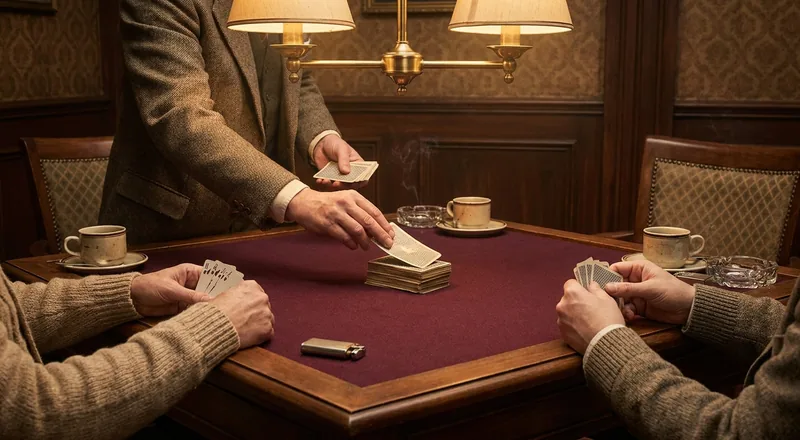
The deal
Using about five decks, each player receives a hand to play first and a separate foot set aside for later, exactly as in Hand and Foot, with the extra decks ensuring plenty of every rank to work with.
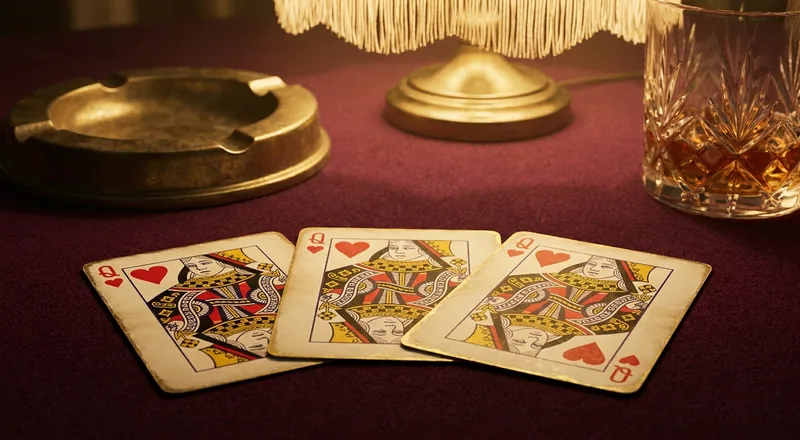
Melding
Meld matching ranks as usual, but treat every seven as a card to keep, since you will need seven of them for the pennies canasta, and use wild cards sparingly under the tighter limits.
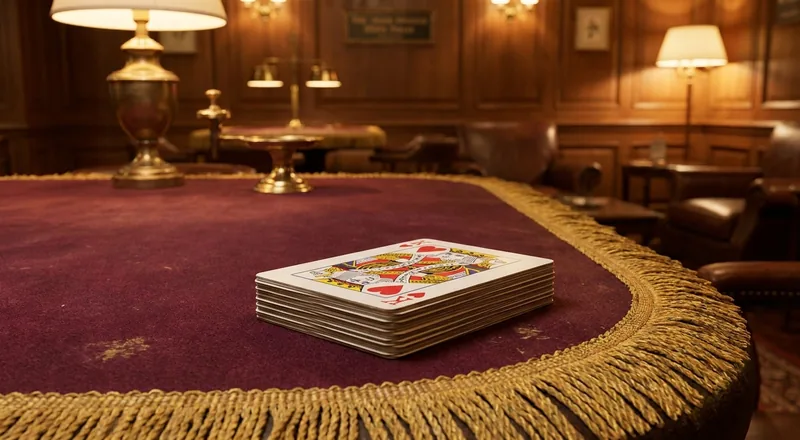
Canastas
Build the assortment your side owes, typically a natural canasta, a mixed canasta, and the special canasta of sevens, before any thought of closing the round.
Going out
Only after the pennies canasta and the other required canastas are complete, and both partners have played through their feet, may your side go out to end the round and score.
Where Pennies Comes From
Pennies from Heaven grew out of the broader Hand and Foot movement in the United States, itself a later development that followed the original Canasta craze of the early 1950s. As Hand and Foot players sought fresh challenges, they layered on extra requirements, and the idea of a mandatory canasta of sevens gave the variant both its difficulty and its charming name.
Like its parent, the game spread through households, clubs, and community groups rather than a single authoritative rule book, so its details vary from region to region. What stayed constant was the central conceit: turning the lowly seven into a treasured currency that every partnership must hoard before it can hope to finish a round.
Today Pennies from Heaven is a well-loved member of the Hand and Foot family, chosen by groups who want their marathon a little more strategic and a little less forgiving. The tighter wild-card rules and the pennies requirement give it a distinct rhythm, and its whimsical name has helped it endure as a favorite for long, sociable sessions.
Winning Strategy for Pennies
💡 Top tip: Guard your sevens above all else. You cannot go out without a canasta of them, so never discard a seven early and grab any the pile offers.
Tips that raise your score
- Plan wild-card use carefully, because the tighter restrictions mean you cannot lean on twos and jokers to rescue every mixed meld.
- Start a sevens meld the moment you have three, so partners know to funnel their sevens onto it.
- Reach your foot promptly, since the sevens and other cards locked there are dead weight until your hand is gone.
- Coordinate with your partner on who is collecting which required canasta to avoid duplicating effort.
- Do not go out until the pennies canasta is genuinely finished, or you forfeit the round and its bonuses.
- Hold red threes as bonuses but remember they help only if your side completes its canasta requirements.
Expert-level Pennies tactics
- Count the sevens as they appear; with several decks in play there are plenty, but the requirement to canasta them means you must know how many remain live before you gamble on drawing more.
- Because wild cards are rationed, reserve them for the mixed canasta that genuinely cannot be finished naturally rather than sprinkling them across several melds.
- Signal your sevens progress to your partner through the melds you open, so both of you stop discarding sevens the instant the pennies canasta becomes reachable.
- Time your dash into the foot so you arrive with your sevens meld already growing, letting the fresh cards feed it rather than scattering across new ranks.
- In the closing round, weigh completing a second scoring canasta against going out the moment the pennies are done, since ending the game may be worth more than one more bonus.
- Deny opponents sevens late by holding rather than discarding them, even if you have your own canasta, to keep their pennies out of reach.
- Keep both partners moving toward the foot together; a team that finishes its canastas but leaves one foot unplayed cannot legally close the round.
Mistakes that cost beginners the hand
- Going out before completing the canasta of sevens - the pennies rule blocks you from closing until that seven meld is a full canasta, so prioritize it early.
- Melding sevens with wild cards - the pennies canasta must stay natural, so never dirty it, and set spare wilds aside for your other melds instead.
- Ignoring the red-three bonus while chasing pennies - lay red threes down promptly so they score even as you grind toward the required seven canasta.
- Cashing out your foot too soon and stranding the sevens - keep enough natural sevens in reserve across both stages so the pennies meld can still be finished.
Pennies Variations and House Rules
Number of required canastas
Tables differ on exactly which canastas a side must complete alongside the sevens, from a single natural and mixed pair to a longer checklist, which greatly changes the length and difficulty of each round.
Bonus for the pennies canasta
Some groups award the sevens canasta an extra bonus beyond the normal canasta value, rewarding the effort of collecting them and raising the stakes of losing a seven to the discard pile.
Wild-card allowances
How strictly twos and jokers are limited varies widely, and loosening the restriction moves the game closer to ordinary Hand and Foot while tightening it makes the natural canastas even harder.
Deck and hand sizes
As in Hand and Foot, the number of decks and the size of the hand and foot are adjusted to suit the number of players, scaling the game up for larger tables.
Plain Hand and Foot
Dropping the sevens requirement and easing the wild-card rules returns you to standard Hand and Foot, a gentler marathon that many groups alternate with Pennies from Heaven depending on their mood.
Pennies Questions and Answers
What are the pennies in Pennies from Heaven?
Pennies is the affectionate nickname for sevens. The game's signature rule is that your partnership must complete a full canasta of sevens before you are allowed to go out. That turns the humble seven, usually a low throwaway card, into the most sought-after rank at the table and the key to finishing a round.
How is it different from regular Hand and Foot?
It keeps the five decks, the hand-and-foot structure, and the long partnership format, but adds the required canasta of sevens and tightens the rules on wild cards. Those two changes make it noticeably harder and more calculating, since you cannot go out without your pennies and cannot lean on wilds to cover every shortage.
Why are wild cards restricted?
Limiting how freely you may use twos and jokers forces players to build more of their canastas from natural cards, which raises the difficulty and makes the required mix of canastas genuinely demanding. It also stops teams from simply wilding their way to a quick set of canastas and rushing to go out.
What canastas do I need to go out?
Typically your side must complete a natural canasta, a mixed canasta, and the special canasta of sevens before anyone may close, though the exact requirements vary by house rules. The pennies canasta is the defining one, so confirm the full list with your table before dealing to avoid a costly misunderstanding.
What if I cannot collect enough sevens?
Then your side cannot go out, which is exactly the tension the game is built around. You may keep playing and scoring other melds, but without a finished canasta of sevens you are stuck. This is why experienced players hoard sevens from the very first hand and never release one carelessly.
How many players and decks are used?
Like Hand and Foot, the standard game is four players in two partnerships with about five decks shuffled together, and it scales to more players with additional decks. The large card count is essential, because the game asks each side to build several full canastas, including the demanding one made entirely of sevens.
Do sevens score extra?
The main reward for sevens is that completing their canasta unlocks your ability to go out, and the canasta itself scores a bonus like any other. Some house rules attach an additional bonus to the pennies canasta to reflect how hard it is to build, so check whether your table gives sevens special point value.
Can I lay off sevens onto my partner's meld?
Yes. Since partners share melds, both players contribute sevens to the same pennies canasta, which is usually the only practical way to gather all seven in time. Coordinating so that both of you funnel sevens onto one meld, rather than starting two competing ones, is a core piece of Pennies from Heaven teamwork.
Is Pennies from Heaven harder than Hand and Foot?
Most players find it harder. The required canasta of sevens adds a bottleneck that can strand an otherwise strong round, and the tighter wild-card rules remove an easy safety net. The result is a longer, more strategic marathon that rewards careful card-saving and close coordination between partners.
How long does a full game last?
It is a marathon by design. With five decks, large hands, and the extra requirement to build a sevens canasta, a full game commonly runs well over an hour and often much longer at a relaxed, social table. Many groups treat it as an afternoon or evening event rather than a quick sitting.
What happens if I discard a seven by mistake?
You lose a card you needed for your pennies canasta, and if an opponent is collecting sevens you may even help them. Because sevens are so scarce relative to the requirement, an accidental discard can seriously damage your round, which is why seasoned players sort sevens aside the moment they draw them.
How do you win overall?
As in Hand and Foot, you play a series of rounds and the partnership with the highest combined score at the end wins. Completing all your required canastas, including the pennies, and going out lets you score your bonuses and often denies the opponents a final turn, so a clean finish can swing the standings decisively.
Keep Learning Pennies
- Compare Pennies with every other Canasta variant in the rules hub
- Look up any term from this page in the Canasta glossary
- Browse the full Canasta FAQ
- Test your skills on today's Daily Deal
Still curious about Pennies from Heaven? The complete Canasta rules break down every variant side by side, and the games hub helps you pick your next table.
Last updated .