Play Two-Handed Canasta
Canasta for two: draw two, keep every red three, land two canastas to win.How Two-Handed Works
In a nutshell: Canasta for two: draw two, keep every red three, land two canastas to win. It is played by 2 players with 2 decks plus jokers, rated quick to learn, and the goal is: first player to 5,000 points (draw two, two canastas to go out).
Two-Handed Canasta strips the classic partnership game down to a duel. Each player is dealt fifteen cards, draws two cards from the stock every turn instead of one, and keeps every red three drawn as a personal bonus. Because there is no partner to cover for you, every decision is yours alone: when to freeze the pile, when to open your melds, and when to gamble on capturing the growing discard heap. The extra draw speeds the game and swells your hand, so the pile fattens quickly and the swings are dramatic. Going out is deliberately harder here, requiring two completed canastas rather than one, which stretches the hand and rewards patient collectors over hasty closers. The result is a tense, information-rich contest where you can often deduce your opponent's plans from their discards. Many players consider two-handed the sharpest way to learn Canasta, because you feel the full weight of the discard pile and the minimum-meld ladder without a partner to lean on.
Two-Handed belongs to the Classic branch of Canasta. If it suits you, deal a hand of Hand and Foot or Pennies from Heaven next, or go back to the standard game of Classic Canasta. If any move below is new to you, the Canasta rules walk through the deal, melding and going out step by step, and the Canasta glossary defines terms like a natural canasta, a wild card and freezing the pile. When you want to compete, take Two-Handed to today's daily deal or play a friend in live multiplayer, and see where your score lands on the leaderboard.
Quick facts about Two-Handed
| Goal | Outscore your single opponent by melding matching cards into canastas of seven and going out first, playing hand after hand until one player reaches 5,000 points. |
|---|---|
| Cards | 2 standard 52-card decks plus jokers |
| Players | 2 players (head to head) |
| Difficulty | Quick to learn |
| Winning target | First player to 5,000 points (draw two, two canastas to go out) |
| Family | Classic |
Playing a turn, step by step
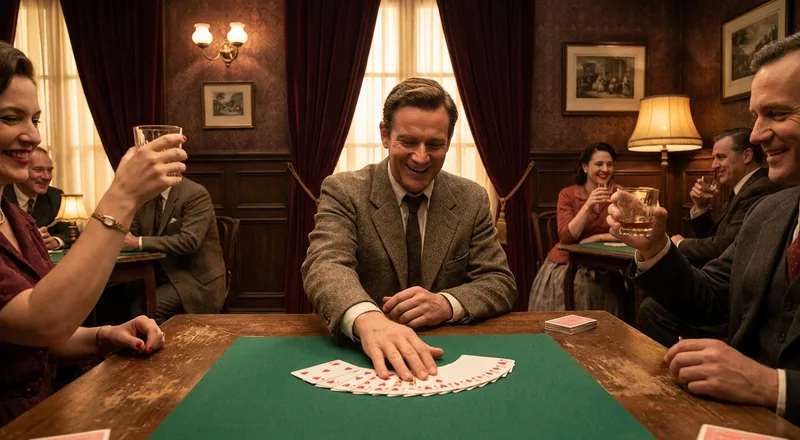
Goal
Outscore your single opponent by melding matching cards into canastas of seven and going out first, playing hand after hand until one player reaches 5,000 points.
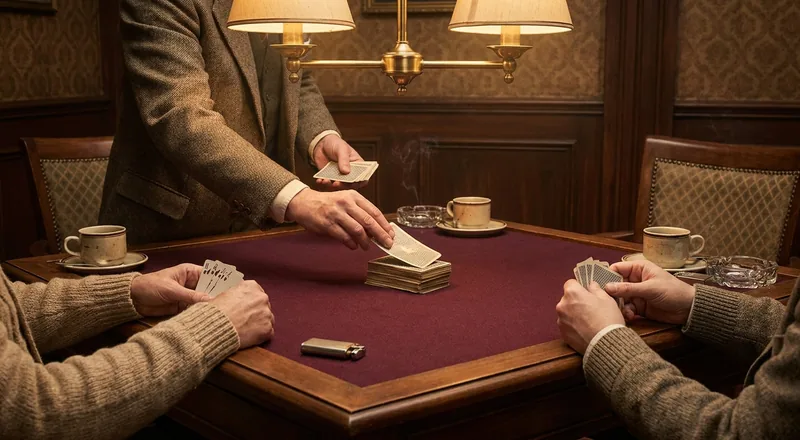
The deal
Shuffle two decks with their four jokers and deal fifteen cards to each player; turn one card up to begin the discard pile and place the remaining cards face down as the stock.
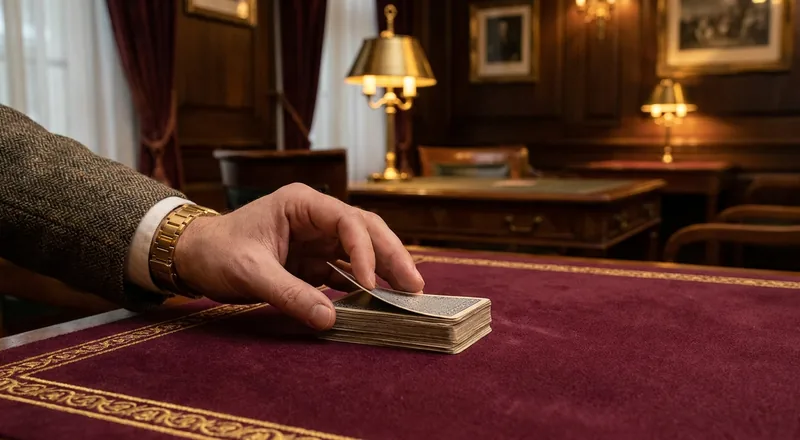
Drawing
On your turn draw the top two cards of the stock rather than one, which fills your hand faster and makes the discard pile grow quickly throughout the game before you discard a single card.
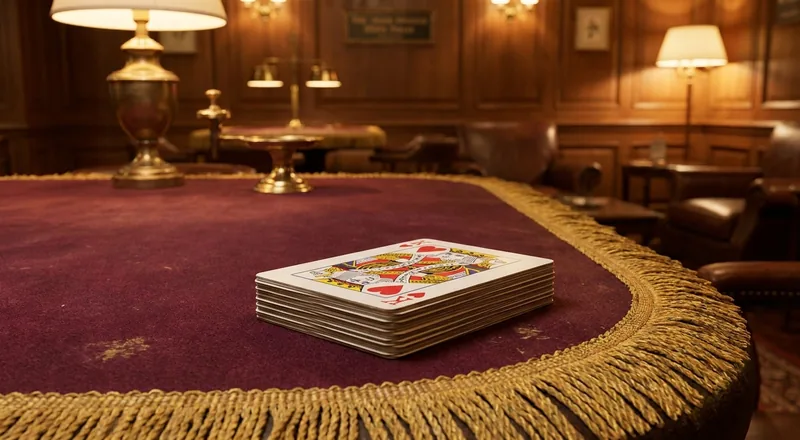
Canastas
Build any meld to seven or more cards to score a canasta, 500 for a clean one with no wild cards and 300 for a mixed one, and remember you need two of them before you can finish.
Going out
Play or discard your final card to go out, but only once you have completed two canastas; closing earns a 100-point bonus, or 200 if you concealed your entire hand until that turn.
Where Two-Handed Comes From
Two-handed Canasta appeared alongside the classic partnership game during Canasta's rise in Uruguay and Argentina in the 1940s, offering couples and pairs a way to enjoy the new craze without a full table of four. It kept the melds, canastas, and discard pile of the parent game while adapting the flow for a single duel.
When Canasta swept the United States between 1950 and 1952, the two-player rules traveled with it and appeared in the same rule books that codified the four-handed game. Households that could not always gather four players adopted two-handed as their everyday version, and it became a fixture of the wider Canasta boom.
The distinctive tweaks, drawing two cards a turn, keeping all the red threes, and needing two canastas to go out, were designed to keep a two-person game rich and competitive. Those adjustments have survived unchanged, and today two-handed Canasta remains the most popular way for two people to play, prized for its tension and its transparency.
Winning Strategy for Two-Handed
💡 Top tip: Aim for two canastas from the start, not one. Because going out needs a pair of them, spreading your melds across two strong ranks early beats piling everything into one canasta.
Tips that raise your score
- Watch every discard your opponent makes; with only one rival, their throwaways reveal exactly which ranks they cannot use.
- Take the discard pile aggressively when it is small and safe, since the two-card draw drains the stock faster than in the partnership game.
- Freeze the pile when your opponent is clearly hungry for it and you lack the natural pair to grab it yourself.
- Keep your red threes working for you and never forget you must still make a canasta, or their bonus turns into a penalty.
- Hold a black three for the endgame to deny your opponent the pile on the turn you plan to go out.
- Do not open your melds a moment too early; showing your hand hands your opponent a map of the ranks you are collecting.
Expert-level Two-Handed tactics
- Since you see only one opponent, build a running tally of the ranks they have discarded and the ranks they refuse to release, then aim your second canasta at whatever they are starving.
- Use the fatter hand from drawing two to keep a defensive natural pair in reserve so you can seize the pile the instant it freezes.
- Time your first meld for the turn after your opponent commits, so your open melds do not telegraph your plan while they still have flexible discards.
- When you are near 3,000 points and facing the 120 minimum, bank a big pile capture first rather than opening thin and stranding cards in hand.
- Go concealed for the doubled bonus only when you can assemble both required canastas in one explosive turn; otherwise the partner-less risk rarely pays.
- Deny rather than build late: once you hold enough to close, feed your opponent only dead ranks and black threes to keep the pile out of reach.
- Balance wild cards between your two developing canastas so neither stalls at six cards waiting for a natural you may never draw.
Mistakes that cost beginners the hand
- Playing as if you draw one card - you draw two every turn here, so plan your discards knowing your hand refills faster and the stock empties sooner.
- Trying to go out on a single canasta - the two-handed rules demand two completed canastas, so build a second meld toward seven before you close.
- Sitting on a red three instead of showing it - reveal all four red threes at once for the big bonus, since keeping them dead in hand earns nothing.
- Emptying your hand too fast in the solo duel - with no partner to lean on, keep a natural pair back so you can still grab the pile when it fattens.
Two-Handed Variations and House Rules
Draw one instead of two
Some households keep the two-player game but draw a single card each turn like the partnership version, which slows the pace, shrinks the pile, and makes hands last longer.
One canasta to go out
A gentler house rule requires only one completed canasta rather than two before closing, speeding the game up and easing the burden on a lone player.
Three-handed Canasta
Adding a third solo player creates shifting alliances, with each person dealt thirteen cards and often a rule that the first pile-taker briefly faces the other two.
Cutthroat with a dummy hand
A variant that deals an extra hidden hand awarded to whoever first takes the discard pile, giving the game a sudden burst of new cards and a swing of fortune.
Samba for two
The three-deck sequence-melding game can also be played head to head, adding same-suit runs and a higher target for pairs who want a longer, more intricate duel.
Two-Handed Questions and Answers
How is two-handed Canasta different from the four-player game?
The biggest changes are that you play alone against one opponent, you are dealt fifteen cards instead of eleven, you draw two cards from the stock each turn instead of one, and you must complete two canastas rather than one before going out. These tweaks make the game faster, tenser, and more revealing of your opponent's hand.
Why do you draw two cards each turn?
Drawing two speeds the hand along and compensates for the lack of a partner, giving each player more material to build melds. It also swells the discard pile quickly, because you still discard only one card per turn, so the pile becomes a rich and dangerous prize much faster than in the partnership game.
How many canastas do I need to go out?
Two. Unlike the four-player game where a single canasta lets your side close, two-handed Canasta requires you to complete at least two canastas before you can play or discard your last card. This lengthens the hand and rewards patient collecting over a quick dash to go out.
What happens to red threes in the two-player game?
Every red three you draw is set aside face up and replaced from the stock, scoring 100 points each and 800 for all four. As always, that bonus only counts in your favor if you finish the hand with at least one completed canasta; otherwise it is subtracted from your score.
Can I still take the discard pile?
Yes, and it is often the deciding move. You take the whole pile when its top card matches one of your melds or pairs with two natural cards in your hand. Because the pile grows so fast with two-card draws, a well-timed capture can hand you a dozen or more cards in a single turn.
Is two-handed Canasta a good way to learn?
Many players think so. With no partner to share decisions, you personally handle freezing, capturing, and the minimum-meld ladder, so the core skills sink in quickly. The head-to-head format also makes your opponent's discards easy to read, teaching you how information flows through the game faster than a four-way table would.
What is the minimum meld in two-handed play?
The same score-based ladder applies: 15 below zero, 50 up to 1,495, 90 from 1,500 to 2,995, and 120 once you reach 3,000. Your first meld of each hand must total at least that many card points, counted before any bonuses, so a strong opening draw still has to clear the bar.
How does freezing the pile work with one opponent?
Discarding a wild card freezes the pile for both players, and it stays frozen until someone takes it with a natural pair. Against a single opponent this is a sharp weapon: freeze when they are visibly collecting the top rank, then release your grip only when you hold the pair to seize the whole stack yourself.
Do black threes matter in a two-player game?
They do. A black three discarded on top of the pile stops your opponent from taking it for one turn, which is especially valuable right before you plan to go out. You cannot meld black threes during play and may only lay them down, without wild cards, at the moment you close the hand.
How long does a two-handed game last?
Reaching 5,000 points usually takes several hands and roughly half an hour, though a hand in which one player captures a huge frozen pile can swing the score dramatically and shorten the match. Because both players draw two cards a turn, individual hands move briskly compared with the four-player game.
Should I go out as soon as I can?
Not always. Going out scores 100 points, but the melded cards and canasta bonuses you leave on the table are usually worth far more. If staying in one more turn lets you finish a second big canasta or capture the pile, the extra points often outweigh the rush to close.
What is the best opening strategy?
Spread your early melds across two promising ranks rather than dumping everything into one, since you need two canastas to go out. Hold a natural high pair in reserve to threaten the pile, watch your opponent's first few discards closely, and avoid opening so early that you reveal your whole plan.
Keep Learning Two-Handed
- Compare Two-Handed with every other Canasta variant in the rules hub
- Look up any term from this page in the Canasta glossary
- Browse the full Canasta FAQ
- Test your skills on today's Daily Deal
Still curious about Two-Handed Canasta? The complete Canasta rules break down every variant side by side, and the games hub helps you pick your next table.
Last updated .