Play Uruguay Canasta
Bolivia's fiercest cousin: wild-card canastas score even higher and the swings are enormous.How Uruguay Works
In a nutshell: Bolivia's fiercest cousin: wild-card canastas score even higher and the swings are enormous. It is played by 4 players with 2 decks plus jokers, rated very hard, and the goal is: first side to 15,000 points.
Uruguay is among the toughest and most volatile Canastas, closely related to Bolivia but sharpened for players who crave enormous swings. Played to a lofty 15,000-point target, it revolves around the wild-card canasta, a canasta built entirely from jokers and twos, which here scores even more than it does in Bolivia. That single meld can be worth a fortune, so whole hands are organized around gathering wild cards toward it, often at the cost of everything else. Because completing such a canasta is usually required to go out, and because being caught with wild cards in hand or an unfinished wild canasta is so costly, the fortunes of a hand can reverse in an instant. Named, like several of its siblings, for a South American nation, Uruguay demands nerve as much as calculation: you must commit to hoarding wilds while your opponents do the same, then time your finish before the scoring turns against you. It is a game of feast or famine, prized by experienced players who relish its brutal, high-stakes character.
Uruguay belongs to the South American branch of Canasta. If it suits you, deal a hand of Samba or Bolivia next, or go back to the standard game of Classic Canasta. If any move below is new to you, the Canasta rules walk through the deal, melding and going out step by step, and the Canasta glossary defines terms like a natural canasta, a wild card and freezing the pile. When you want to compete, take Uruguay to today's daily deal or play a friend in live multiplayer, and see where your score lands on the leaderboard.
Quick facts about Uruguay
| Goal | Team up to build canastas, above all a canasta of wild cards, and be the first side to reach 15,000 points, usually needing that wild-card canasta finished before you may go out. |
|---|---|
| Cards | 2 standard 52-card decks plus jokers |
| Players | 4 players (two partnerships) |
| Difficulty | Very hard |
| Winning target | First side to 15,000 points |
| Family | South American |
Playing a turn, step by step

Goal
Team up to build canastas, above all a canasta of wild cards, and be the first side to reach 15,000 points, usually needing that wild-card canasta finished before you may go out.

Melding
Draw and meld matched sets and, in most rule sets, same-suit sequences, laying down the point count your rising minimum meld demands before you can open in a hand.
Wild cards
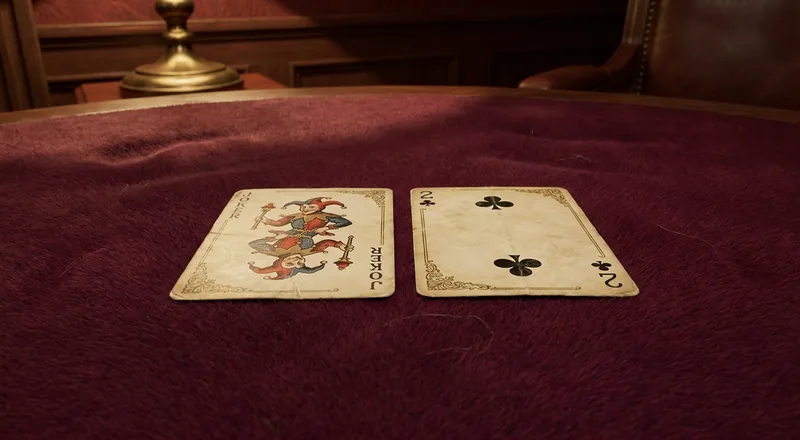
Gather jokers and twos toward a wild-card canasta that scores an especially large bonus here, but guard them closely, because wilds stranded in your hand at the end of a hand are heavily penalized.

Canastas
Complete canastas of seven cards in their various forms, and finish the wild-card canasta your rules usually require to go out, the single meld around which most of the hand revolves.

Scoring
Tally the outsized bonuses for wild-card and other canastas together with red threes, then subtract the value of cards still in hand, producing the huge positive and negative swings the game is known for.
Where Uruguay Comes From
Uruguay belongs to the family of advanced South American Canastas that blossomed after the original game's runaway success in the region during the 1940s. Closely modeled on Bolivia, it emerged as players sought ever bigger stakes, pushing the value of the wild-card canasta higher and building a whole game around that single, spectacular meld.
Named for the country where Canasta itself was born, Uruguay traveled outward with the worldwide craze of the early 1950s and circulated among enthusiasts through club play and rule collections. It appealed to those who found even Bolivia too tame, offering a two-deck contest of feast or famine where fortunes could reverse in a single hand.
Uruguay has remained a specialist favorite, less commonly played than the classic game but treasured by experienced groups for its volatility and its brutal difficulty. Its emphasis on hoarding scarce wild cards toward one enormous canasta, under threat of heavy penalties, gives it a character all its own among the many national variants that Canasta inspired.
Winning Strategy for Uruguay
💡 Top tip: Commit to the wild-card canasta. It scores enormously and is usually required to go out, so from the first hand treat every joker and two as something to save, never to spend.
Tips that raise your score
- Do not get caught holding wild cards at the end of a hand, because their penalty value can wipe out a round's work.
- Build ordinary canastas from naturals so your precious wilds stay reserved for the wild-card canasta.
- Seize the discard pile with natural pairs to gather cards fast under the steep minimum melds.
- Watch opponents for signs they too are hoarding wilds, and freeze the pile to slow their collection.
- Time your close for the moment your wild canasta is complete, before a bad draw forces wilds back into your hand.
- Mind the 15,000-point target and open only when you can clear the rising minimum in one turn.
Expert-level Uruguay tactics
- With only twelve wild cards in two decks, count them as they appear, because knowing how many remain live tells you whether a wild-card canasta is still achievable this hand or whether to change plans.
- Balance the temptation to use a wild to finish a set against the far larger reward and requirement of the wild-card canasta, since a single misspent joker can make going out impossible.
- Because stranded wilds are punished so harshly, plan the exact turn you will lock the last wild into the canasta, and avoid drawing into a position where you must hold spare wilds.
- Freeze the pile aggressively when an opponent is clearly collecting wilds, denying them the cards they need while you race to finish yours first.
- Keep a natural pair in reserve at all times, both to capture the pile and to avoid being forced to break a wild-heavy hand when you must discard.
- Read the huge swings as a strategic lever: when trailing badly, a completed wild-card canasta can leap you back into the game, so sometimes the bold hoard is correct even against the odds.
- As you near 15,000, decide whether to gamble on the full wild canasta for the win or settle for a safer, smaller close, since the game's volatility can turn a near-certain victory into a loss in one hand.
Mistakes that cost beginners the hand
- Underusing wild canastas - Uruguay scores wild-card canastas even higher than Bolivia, so aggressively gather twos and jokers into a full wild meld.
- Playing safe for a small lead in a swingy game - with a 15,000 target and huge bonuses, one big wild canasta can flip the match, so plan for the big score.
- Freezing the pile and then forgetting you need a natural pair - keep matching naturals in hand so a frozen pile stays winnable for your side, not theirs.
- Going out before your bonuses are banked - lock in red threes and canasta bonuses first, since closing early here can leave enormous points unclaimed.
Uruguay Variations and House Rules
Bolivia
The three-deck relative from which Uruguay borrows most of its ideas, with more wild cards available and a somewhat less punishing structure, making it the gentler of the two wild-canasta games.
Wild-canasta scoring
Tables differ on exactly how much a wild-card canasta is worth and on the penalty for holding wilds, and steeper values make the game even more volatile.
Sequence rules
Whether and how suited sequences may be melded varies between rule sets, changing how much flexibility you have while gathering wild cards for the main canasta.
Go-out requirements
Some groups strictly require a completed wild-card canasta to close, while others accept alternatives, which significantly changes the difficulty of finishing a hand.
Target score
A few tables raise or lower the 15,000-point goal to lengthen or shorten the game, adjusting how many chances each side gets to land a decisive wild-card canasta.
Uruguay Questions and Answers
How is Uruguay different from Bolivia?
The two are close relatives, but Uruguay is a two-deck game that scores its wild-card canasta even higher than Bolivia does and leans harder into the resulting swings. With fewer wild cards available from only two decks, building that canasta is tougher, and the penalties for holding wilds make the game more volatile and generally harder.
Why is the wild-card canasta so important?
It is worth an especially large bonus and, in most rule sets, must be completed before your side can go out. That combination puts it at the center of nearly every decision, since you both need it to finish and score heavily for it. Whole hands are built around gathering enough jokers and twos to complete one.
How many wild cards are available?
With two decks there are four jokers and eight twos, twelve wild cards in all, spread among four players. Assembling seven of them into a single canasta while your opponents may be hoarding the same cards is a serious challenge, and it is a major reason Uruguay is regarded as one of the harder Canasta variants.
What happens if I am caught with wild cards in hand?
You are penalized their value, which is high, so ending a hand holding jokers or twos can badly damage your score. This risk is the flip side of hoarding wilds for the big canasta: you must gather them, yet you must not be caught with them if the hand ends before you have locked them safely into a meld.
What is the target score?
Uruguay is played to 15,000 points, a lofty figure that suits its enormous bonuses and swings. Because a single wild-card canasta can be worth so much, a trailing side is never truly out of contention, and the lead can change hands dramatically in the final rounds as teams complete or fail to complete their biggest melds.
Can I meld sequences in Uruguay?
Most rule sets allow same-suit sequences much as in Bolivia and Samba, built from natural cards only. They provide another route to a canasta and a way to use cards that do not fit your sets. The wild-card canasta remains the star, but sequences give you flexibility while you gather the wilds you need.
Why is Uruguay considered very hard?
It combines scarce wild cards from only two decks, a wild-card canasta that is both required and richly scored, harsh penalties for holding wilds, rising minimum melds, and a high target. Managing all of that while your opponents chase the same wild cards demands sharp counting, careful timing, and a strong nerve, making it one of the family's toughest games.
Should I ever use a wild card in an ordinary meld?
Rarely, and only with good reason. Because the wild-card canasta is so valuable and usually required to go out, most of your jokers and twos should be reserved for it. Spending one to finish a set is justified only when it secures a canasta you badly need or when a wild canasta is clearly out of reach this hand.
How big can the swings really get?
Very big. A completed wild-card canasta scores a huge bonus, while being caught with wilds or failing to finish one carries heavy penalties, so a single hand can move the score by thousands of points in either direction. This feast-or-famine quality is exactly what draws experienced players to the game.
How many red threes are there?
Two decks contain four red threes, each a bonus card set aside when drawn. Their value counts in your favor only if your side finishes the hand with a completed canasta, so as in other variants you should secure a canasta before the hand ends to keep the red-three bonus positive rather than a liability.
Is Uruguay a good game for beginners?
Not really. Its harsh penalties, scarce wild cards, and high-stakes swings can overwhelm newcomers, who are better served starting with classic Canasta or Samba. Uruguay rewards players who already understand melding, freezing the pile, and managing wild cards, and who can handle a game where a single hand can decide everything.
How do you win?
You win by being the first side to reach 15,000 points across a series of hands, which almost always means completing the coveted wild-card canasta to go out and claim its enormous bonus. Steady canasta-building matters, but the dramatic wild-card canasta is usually the decisive stroke that carries a team over the line.
Keep Learning Uruguay
- Compare Uruguay with every other Canasta variant in the rules hub
- Look up any term from this page in the Canasta glossary
- Browse the full Canasta FAQ
- Test your skills on today's Daily Deal
Still curious about Uruguay? The complete Canasta rules break down every variant side by side, and the games hub helps you pick your next table.
Last updated .