Play Hand and Foot Canasta
Play your hand, then your foot: a sociable five-deck marathon over four rounds.How Hand and Foot Works
In a nutshell: Play your hand, then your foot: a sociable five-deck marathon over four rounds. It is played by 4 players with 5 decks plus jokers, rated long and social, and the goal is: most points after four rounds.
Hand and Foot is a sprawling, sociable American cousin of Canasta, usually played by four people in two partnerships with about five decks shuffled together. Each player receives two piles of cards: a hand played first and a foot picked up only after the hand is emptied, which is where the game gets its name. The extra decks mean melds grow fat and canastas come thick and fast, so the emphasis shifts from scrapping over a single discard pile to steadily manufacturing clean and mixed canastas by the handful. Most rule sets ask each partnership to complete a set number of both natural and mixed canastas before anyone may go out, which keeps hands long and encourages cooperation. Played over four deals with a rising minimum-meld requirement each round, Hand and Foot is less cutthroat and more of a relaxed, chatty table game, a favorite at family gatherings and clubs. Big bonuses for canastas and red threes produce enormous scores, so a single strong round can reshape the standings entirely.
Hand and Foot belongs to the Hand & Foot branch of Canasta. If it suits you, deal a hand of Pennies from Heaven or Two-Handed Canasta next, or go back to the standard game of Classic Canasta. If any move below is new to you, the Canasta rules walk through the deal, melding and going out step by step, and the Canasta glossary defines terms like a natural canasta, a wild card and freezing the pile. When you want to compete, take Hand and Foot to today's daily deal or play a friend in live multiplayer, and see where your score lands on the leaderboard.
Quick facts about Hand and Foot
| Goal | Partner with the player across from you to build clean and mixed canastas from five decks of cards, aiming to hold the highest combined score after four rounds of play. |
|---|---|
| Cards | 5 standard 52-card decks plus jokers |
| Players | 4 players (two partnerships) |
| Difficulty | Long and social |
| Winning target | Most points after four rounds |
| Family | Hand & Foot |
Playing a turn, step by step
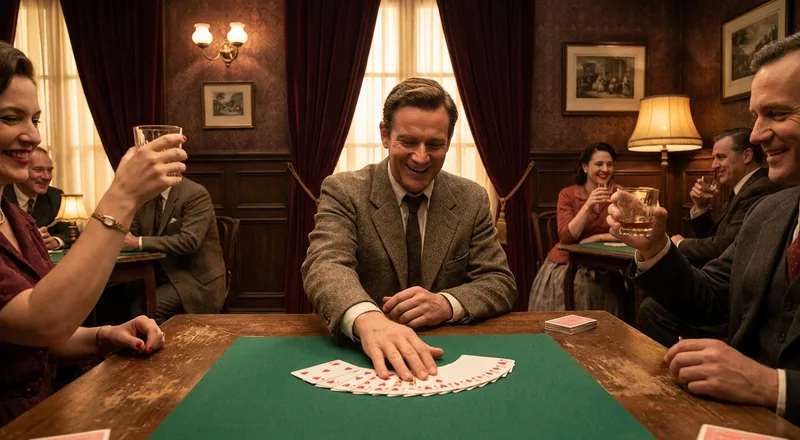
Goal
Partner with the player across from you to build clean and mixed canastas from five decks of cards, aiming to hold the highest combined score after four rounds of play.
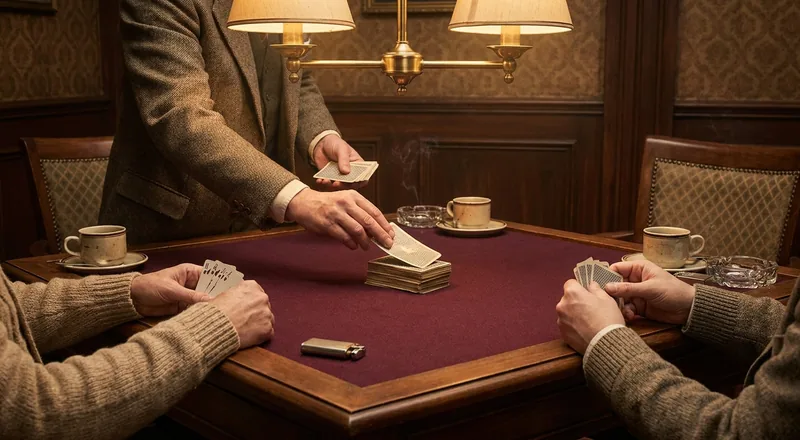
The deal
Each player is dealt two stacks, a hand of around eleven to thirteen cards to play first and a foot of the same size set aside face down, to be picked up only after the hand has been fully played.
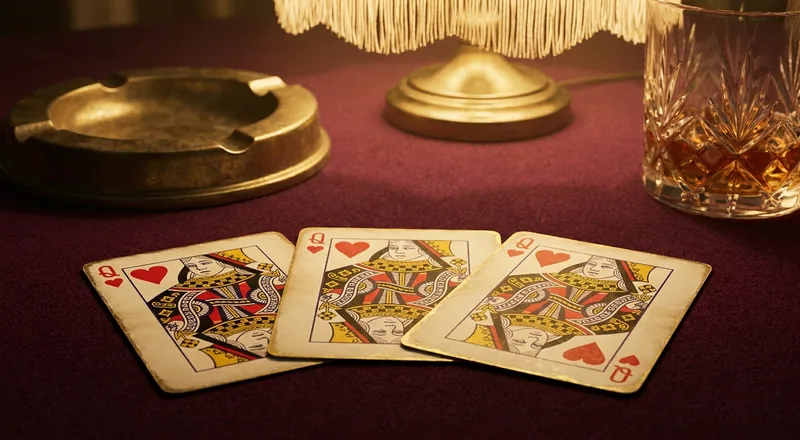
Melding
Draw and meld sets of three or more matching cards just as in Canasta, laying off freely onto your partnership's melds so both players build the same canastas together.
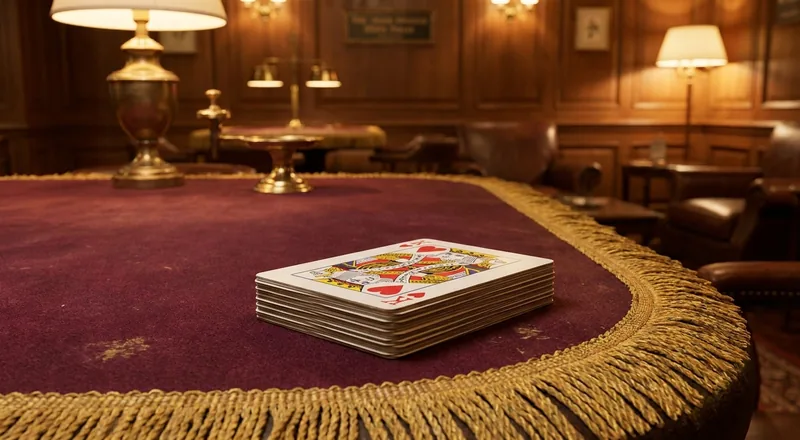
Canastas
Complete canastas of seven cards in two flavors, clean ones made entirely of natural cards and mixed ones that include wild cards, and gather the number of each your rules require before anyone can close.
Going out
Once your side has finished the required canastas and you have played through both your hand and your foot, you may go out by emptying your cards, ending the round and triggering the scoring.
Where Hand and Foot Comes From
Hand and Foot is not one of the original South American Canastas but a later American offshoot, developed in the United States after the Canasta craze of the early 1950s. As players grew comfortable with melds and canastas, they began experimenting with more decks and larger hands, and the two-stack hand-and-foot structure emerged as a favorite way to stretch the game.
The game spread informally through families, clubs, and community centers rather than through a single published rule book, which is why so many regional variations exist. Its generous card count, cooperative feel, and long, chatty rounds made it a natural fit for gatherings where the game is as much a social occasion as a contest.
Today Hand and Foot is one of the most widely played Canasta relatives in North America, with countless house rules layered on top of a shared core. Commercial versions and dedicated card sets have appeared, but most tables still play the version their family taught them, passing the four-round marathon down through generations.
Winning Strategy for Hand and Foot
💡 Top tip: Reach your foot as fast as you sensibly can, because the cards trapped there are useless until your hand is empty, and a partner stuck in hand cannot help the team score.
Tips that raise your score
- Balance clean and mixed canastas from the start, since most rules require both kinds before your side may go out.
- Hoard wild cards for the mixed canastas you must complete rather than spending them to plug small melds early.
- Keep partners talking within the rules; agreeing on which ranks each of you is collecting avoids wasting duplicate wilds.
- Do not go out until your partner has also worked through their foot, or you strand a pile of unscored cards.
- Watch the rising minimum each round and open early in the later deals when the threshold climbs.
- Lay off spare cards onto existing canastas to clear your hand quickly rather than starting risky new melds late.
Expert-level Hand and Foot tactics
- Track how many clean and mixed canastas your side still owes and steer every draw toward the type you are short of, since a surplus of one kind cannot substitute for the other at the finish.
- Coordinate wild-card use with your partner so you never both dump twos and jokers into the same mixed canasta and leave another one starving.
- In the final round, weigh going out quickly against squeezing out one more 500-point clean canasta, because with the game ending the extra bonus often beats denying the opponents a turn.
- Cross the threshold into your foot with cards to spare, ideally with active melds already on the table, so you do not stall the moment you pick it up.
- Use the huge card count to your advantage by starting melds on many ranks at once, then consolidating the strongest into canastas as duplicates flow in.
- Mind the rising per-round minimum meld; in later deals hold back your opening lay-down until you can clear the higher count in a single turn.
- Late in a round, feed loose cards onto your partner's melds to empty your hand rather than exposing a fresh meld the opponents could exploit.
Mistakes that cost beginners the hand
- Diving into your foot before the hand is fully played - you only pick up the foot after the first eleven cards are gone, so clear the hand cleanly first.
- Going out with only clean canastas made - most house rules require at least one clean and one dirty canasta, so build both colors before you close the round.
- Blowing all your wild cards on one dirty meld - a meld caps at a few wilds, so spread them across melds to finish more canastas over the four rounds.
- Discarding sevens and aces your team is collecting - across five decks those ranks pile up fast, so feed them to melds rather than handing them away.
Hand and Foot Variations and House Rules
Number of decks and players
Groups adjust the deck count to the number of players, often using one deck per player plus one, so a five-player table might shuffle six decks together for a suitably enormous game.
Pennies from Heaven
A close relative that adds a required canasta of sevens, nicknamed pennies, which each side must build before going out, along with restrictions on how wild cards may be used.
Dirty and clean requirements
Tables differ on how many canastas of each type are needed to close, from one of each to several, which dramatically changes how long a round lasts and how wild cards are rationed.
Point-value house rules
Many groups tweak the bonuses for canastas, red threes, and going out, and some add special canastas of wild cards or of specific ranks worth extra, tuning the scale of the scores.
Fixed total instead of four rounds
Some play to a set number of points rather than exactly four rounds, ending whenever a partnership crosses the line instead of after a set number of deals.
Hand and Foot Questions and Answers
Why is it called Hand and Foot?
Each player is dealt two separate stacks of cards. The first, called the hand, is played immediately, while the second, the foot, is set aside and only picked up once the hand has been completely played. The name simply describes those two stages, and reaching your foot is a key milestone in every round.
How many decks and players do you need?
The most common setup is four players in two partnerships using about five standard decks with their jokers, though the game scales from two to six players with more or fewer decks. A rough guide is roughly one deck per player plus one, so a big table simply shuffles in extra decks.
How many canastas do I need to go out?
Most rule sets require your partnership to complete a set number of canastas, typically including at least one clean and one mixed, before anyone may go out. The exact count varies by house rules, so agree on it before you deal. Until those canastas are finished, no one on your side may close the round.
What is the difference between a clean and a mixed canasta here?
A clean, or natural, canasta is seven cards of one rank with no wild cards and scores a large bonus, while a mixed, or dirty, canasta of seven includes one or more wild cards for a smaller bonus. Hand and Foot usually asks each side to build both kinds, so you cannot ignore either.
How long does a game take?
Hand and Foot is a deliberately long, sociable game. Four rounds with five decks and big hands typically run well over an hour, and a leisurely table with plenty of conversation can stretch it to two. That relaxed marathon quality is a large part of its appeal at family and club gatherings.
How do the four rounds work?
The game is played over four deals, and the partnership with the highest combined score at the end wins. Many versions raise the minimum opening meld each round, so the requirement to lay down grows steeper as the game progresses, adding a little extra pressure to the later deals.
Can I lay off cards onto my partner's melds?
Yes. Partners share their melds, so you may add matching cards to any canasta your side has started, which is how the two of you build the required clean and mixed canastas together. This cooperative laying off is central to the game and lets you empty your hand and reach your foot faster.
What happens with red threes?
Red threes are bonus cards set aside face up and replaced from the stock when drawn, each worth a bonus at scoring time. As in classic Canasta, that bonus only helps if your side has met its canasta requirements; a team that fails to build its canastas can see red threes counted against it instead.
How is Hand and Foot different from classic Canasta?
The main differences are the five decks, the two-stack hand-and-foot structure, the requirement to build several canastas of each type, and the four-round format decided on total points rather than a 5,000-point race. The discard pile matters less, and the mood is more cooperative and social than the sharp partnership duel of the classic game.
Do I have to reach my foot to score well?
Almost always. The cards in your foot are locked away until your hand is empty, so a player who never gets through their hand leaves a large stack unscored and cannot help finish the team's canastas. Racing efficiently into your foot is one of the most important skills in the game.
Can we go out if only one partner has played their foot?
Standard rules require both partners to have worked through their hand and foot, and the team to have completed its canastas, before anyone goes out. Closing while your partner still holds a full foot strands all those cards unscored, so good teams coordinate their timing and often ask permission before going out.
Is there a lot of variation in the rules?
Yes, more than almost any other Canasta relative. The number of decks, the size of the hand and foot, the canastas required to go out, the minimum melds, and the bonus values all differ from group to group. The version described here is a common baseline, but it is wise to confirm the house rules before playing.
Keep Learning Hand and Foot
- Compare Hand and Foot with every other Canasta variant in the rules hub
- Look up any term from this page in the Canasta glossary
- Browse the full Canasta FAQ
- Test your skills on today's Daily Deal
Still curious about Hand and Foot? The complete Canasta rules break down every variant side by side, and the games hub helps you pick your next table.
Last updated .