Play Cuban Canasta
A frozen-from-the-start duel where red threes can bite back and lay-offs on partners are banned.How Cuban Works
In a nutshell: A frozen-from-the-start duel where red threes can bite back and lay-offs on partners are banned. It is played by 4 players with 2 decks plus jokers, rated punishing, and the goal is: first side to 7,500 points.
Cuban Canasta is a stern, calculating two-deck game that strips away much of the friendliness of the classic version. From the very first turn the discard pile is frozen, so you can only ever take it by holding a matching natural pair, which makes captures rare and hard-won. You may not lay off cards onto your partner's melds, so each player must build largely alone, and the cooperative rescue that softens other partnership games is gone. Red threes turn dangerous too: if your side has no completed canasta, they count against you rather than for you, so a slow start can pile up penalties. Wild-card canastas are permitted and richly rewarded, giving disciplined hoarders a powerful target, and special bonuses reward canastas of particular ranks. With a modest 7,500-point goal, Cuban Canasta packs its punishment into fewer hands, so a single bad round can be decisive. It is a game for players who enjoy a tight, unforgiving contest where every discard is a risk and nothing comes easily.
Cuban belongs to the Modern branch of Canasta. If it suits you, deal a hand of Modern American Canasta or Italian Canasta next, or go back to the standard game of Classic Canasta. If any move below is new to you, the Canasta rules walk through the deal, melding and going out step by step, and the Canasta glossary defines terms like a natural canasta, a wild card and freezing the pile. When you want to compete, take Cuban to today's daily deal or play a friend in live multiplayer, and see where your score lands on the leaderboard.
Quick facts about Cuban
| Goal | Team up to build canastas from a frozen pile and cautious melding, avoiding the game's many penalties, and race to be the first side to 7,500 points. |
|---|---|
| Cards | 2 standard 52-card decks plus jokers |
| Players | 4 players (two partnerships) |
| Difficulty | Punishing |
| Winning target | First side to 7,500 points |
| Family | Modern |
Playing a turn, step by step

Goal
Team up to build canastas from a frozen pile and cautious melding, avoiding the game's many penalties, and race to be the first side to 7,500 points.

Taking the discard pile
The pile is frozen from the very first turn and stays that way, so you may take it only by holding two natural cards that match its top card, making every capture a planned and difficult prize.
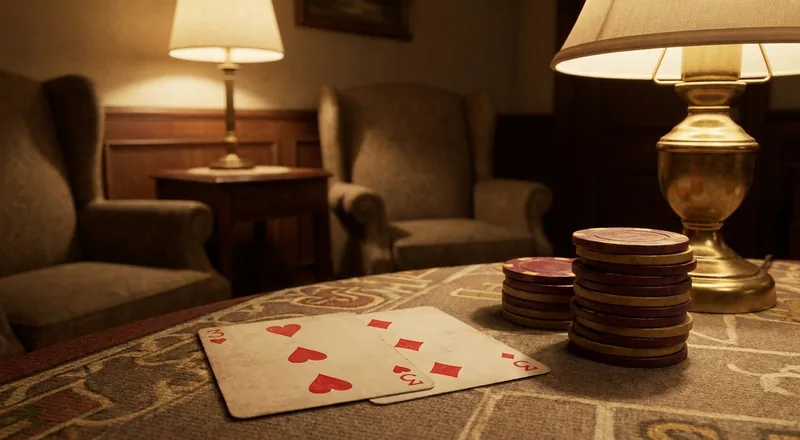
Red threes
Red threes are set aside as usual, but here they cut both ways: they add to your score only if your side completes a canasta, and count as a penalty against you if you finish the hand without one.
Melding
Meld your own matched sets to reach the required minimum, but remember you may not lay off cards onto your partner's melds, so each of you must largely build your canastas independently.
Canastas
Complete canastas of seven cards, including permitted wild-card canastas that score a large bonus, and secure at least one before the hand ends to keep your red threes from turning into penalties.
Where Cuban Comes From
Cuban Canasta is one of several national variants that grew out of the game's explosive popularity across the Americas in the early 1950s. Named, like Bolivia and Uruguay, for a country touched by the craze, it took the two-deck framework and hardened it, stripping away easy captures and cooperative play in favor of a sterner, more individual contest.
As the worldwide Canasta boom spread the game through rule books and club tables, these tougher regional forms found an audience among players who wanted more bite than the sociable classic offered. Cuban Canasta's frozen-from-the-start pile and its dangerous red threes gave it a reputation as a punishing test of discipline rather than a relaxed family pastime.
Though less widely played than the classic game, Cuban Canasta has persisted as a favorite among enthusiasts who relish its unforgiving character. Its distinctive rules, no laying off onto a partner, red threes that can bite back, and rewarded wild-card canastas, keep it a sharp, demanding member of the family for those who enjoy a genuinely tough game.
Winning Strategy for Cuban
💡 Top tip: Make a canasta your first priority every hand, because without one your red threes become penalties and the punishing scoring can bury your side quickly.
Tips that raise your score
- Hoard natural pairs relentlessly, since the pile is frozen from the start and only a matching pair will ever unlock it.
- Plan to build alone; with no laying off onto your partner, you cannot rely on them to finish your melds.
- Chase a wild-card canasta when jokers and twos come your way, as it scores heavily in this game.
- Weigh every discard carefully, because a card that hands a frozen pile to an opponent can decide the round.
- Keep the 7,500-point target in mind, knowing a single bad hand carries more weight in this shorter race.
- Use black threes to seal the pile at critical moments, especially just before you attempt to go out.
Expert-level Cuban tactics
- Because red threes penalize a canasta-less side, treat your first canasta as urgent insurance and be willing to complete a modest one early rather than gamble the whole hand on a bigger meld.
- With the pile frozen throughout, the value of a natural pair is enormous; count which ranks are still paired in hand and steer your play to keep at least one capturing pair ready at all times.
- Since you cannot lay off onto your partner, coordinate through discards and melded ranks so the two of you do not both starve the same cards, each quietly building toward your own canastas.
- Guard wild cards for a wild-card canasta when the flow allows, but never so single-mindedly that you end a hand canasta-less and turn your red threes into a penalty.
- Read the shortened 7,500-point race as a reason for discipline; there are fewer hands to recover a disaster, so avoid the reckless holds a longer game might forgive.
- Deny opponents the frozen pile by tracking which top cards they can and cannot pair, and discard into the pile only when you are confident they lack the natural pair to take it.
- Time your go-out attempt for a turn when your side already holds its canasta and your partner is not stranded, since the no-lay-off rule means you cannot bail each other out at the finish.
Mistakes that cost beginners the hand
- Treating red threes as automatic bonuses - in Cuban they count AGAINST you if your side has no canasta, so make a canasta before the round ends.
- Expecting to lay off onto partner's melds - Cuban forbids laying off on a partner's canastas, so plan to complete your own melds without that help.
- Skipping wild canastas that Cuban allows - gather twos and jokers into a wild-card canasta to add a large scoring meld the punishing target rewards.
- Discarding loosely when you have no canasta yet - guard against giving away the pile early, since without a canasta your red threes are already a liability.
Cuban Variations and House Rules
Classic Canasta
The original, friendlier game where the pile is only frozen by a wild card, laying off onto a partner is allowed, and red threes are a simple bonus, played to a higher 5,000-point target.
Wild-canasta bonuses
Tables differ on how much a canasta of wild cards is worth and whether other special canastas, such as one of aces, earn extra, tuning the rewards for disciplined hoarding.
Red-three penalties
How harshly red threes count against a canasta-less side varies between groups, and a steeper penalty makes securing an early canasta even more urgent.
Target score
Some play to a different total than 7,500 to lengthen or shorten the game, changing how much a single punishing hand can decide the outcome.
Lay-off house rules
A few casual groups relax the strict no-lay-off rule to make the game less harsh, moving it closer to classic Canasta and softening its individual character.
Cuban Questions and Answers
What makes Cuban Canasta so punishing?
Several rules combine to make it stern: the discard pile is frozen from the first turn, you cannot lay off cards onto your partner's melds, and red threes count against you if your side has no canasta. With a modest 7,500-point target, there are fewer hands to recover from a bad round, so mistakes are costly and comebacks are hard.
Why is the pile frozen from the start?
Freezing the pile immediately means you can never take it with a simple matching card, only by holding a natural pair that matches the top card. This makes captures rare and deliberate, removing the easy pile grabs that speed up friendlier variants and forcing players to hoard pairs and plan every capture well in advance.
Can I lay off cards onto my partner's melds?
No, and this is one of Cuban Canasta's defining restrictions. Each player must build their own melds and canastas without adding to a partner's, so the cooperative support that eases other partnership games is absent. The two of you still share a score, but you construct your contributions to it largely independently.
How do red threes work in Cuban Canasta?
Red threes are set aside as bonus cards when drawn, but they only help if your side completes a canasta. If your team ends the hand without one, each red three counts against you instead. This turns an otherwise automatic bonus into a real risk and makes securing a canasta every hand a pressing priority.
Are wild-card canastas allowed?
Yes. Cuban Canasta permits canastas made entirely of wild cards and rewards them with a large bonus, giving disciplined players a valuable target when jokers and twos accumulate. Because wilds are scarce in a two-deck game, building one is challenging, but its high score can make a decisive difference in the shortened race to 7,500.
What is the target score?
Cuban Canasta is played to 7,500 points, a relatively modest goal that concentrates the game's harsh scoring into fewer hands. Because there is less time to recover, a single ruinous round, such as ending canasta-less with red-three penalties, can effectively decide the match, which is a large part of why the game feels so unforgiving.
How is it different from classic Canasta?
The pile is frozen from the outset rather than only after a wild card, you cannot lay off onto your partner, red threes penalize a canasta-less side, wild-card canastas are rewarded, and the target is a lower 7,500. Together these changes make Cuban Canasta a tighter, harsher, more individual game than the sociable classic version.
Why can't I rely on my partner as much?
Because the no-lay-off rule prevents you from adding cards to your partner's melds and them from adding to yours, each of you must complete your own canastas. You still share a score and can coordinate through discards, but the hands-on cooperation of finishing each other's melds, common in other variants, simply is not allowed here.
How important is a natural pair?
Extremely. Since the pile is frozen for the entire game, the only way to capture it is to hold two natural cards matching the top card. A ready pair is therefore both your key to the pile and a defensive asset, so skilled players constantly track which ranks they hold paired and protect at least one capturing pair.
Should I ever discard into the pile freely?
Rarely. Every discard risks handing the frozen pile to an opponent who holds the matching pair, and in a punishing, short game that can be decisive. Experienced players discard cautiously, favoring cards opponents are unlikely to pair, and use black threes to seal the pile outright when the danger is high.
Is Cuban Canasta good for beginners?
It is a demanding introduction. The frozen pile, no-lay-off rule, and red-three penalties punish inexperience, so newcomers often do better starting with classic Canasta before taking it on. That said, players who enjoy a tight, unforgiving game can learn a great deal from how sharply Cuban Canasta rewards discipline and planning.
How do you win?
You win by being the first side to reach 7,500 points across a series of hands. Because the game is so punishing, winning usually comes down to consistently completing at least one canasta each hand to keep red threes positive, capturing the occasional frozen pile, and avoiding the penalties that can sink a careless team in this shorter race.
Keep Learning Cuban
- Compare Cuban with every other Canasta variant in the rules hub
- Look up any term from this page in the Canasta glossary
- Browse the full Canasta FAQ
- Test your skills on today's Daily Deal
Still curious about Cuban Canasta? The complete Canasta rules break down every variant side by side, and the games hub helps you pick your next table.
Last updated .