Play Samba Canasta
Three decks, same-suit runs, and a seven-card sequence, the samba, worth a huge bonus.How Samba Works
In a nutshell: Three decks, same-suit runs, and a seven-card sequence, the samba, worth a huge bonus. It is played by 4 players with 3 decks plus jokers, rated intricate, and the goal is: first side to 10,000 points.
Samba is a three-deck expansion of Canasta that adds a whole new way to meld: alongside the usual sets of matching ranks, you may build sequences, runs of three or more cards in the same suit. A sequence grown to seven cards is a samba, and it scores a hefty 1,500 bonus, giving the game its name and its rhythm. With three decks in play you draw two cards each turn, discard one, and juggle sets and runs at the same time, deciding which cards serve better as matched ranks and which as links in a suited chain. Sequences cannot contain wild cards, so building a samba demands patience and clean draws, while your ordinary canastas can still be padded with jokers and twos. The larger deck also brings six red threes and a higher target of 10,000 points, stretching the game across more hands. Samba rewards players who can hold two plans in mind at once, weaving sets and sequences together while watching the fat discard pile for a chance to strike.
Samba belongs to the South American branch of Canasta. If it suits you, deal a hand of Bolivia or Brazilian Canasta next, or go back to the standard game of Classic Canasta. If any move below is new to you, the Canasta rules walk through the deal, melding and going out step by step, and the Canasta glossary defines terms like a natural canasta, a wild card and freezing the pile. When you want to compete, take Samba to today's daily deal or play a friend in live multiplayer, and see where your score lands on the leaderboard.
Quick facts about Samba
| Goal | Team with your partner to build both matching sets and same-suit sequences into canastas and sambas, racing across several hands to be the first side to reach 10,000 points. |
|---|---|
| Cards | 3 standard 52-card decks plus jokers |
| Players | 4 players (two partnerships) |
| Difficulty | Intricate |
| Winning target | First side to 10,000 points |
| Family | South American |
Playing a turn, step by step
Goal
Team with your partner to build both matching sets and same-suit sequences into canastas and sambas, racing across several hands to be the first side to reach 10,000 points.
Drawing
Three decks are shuffled together and, as in the two-handed game, you draw the top two cards of the stock each turn before discarding one, which keeps hands full and the discard pile growing.
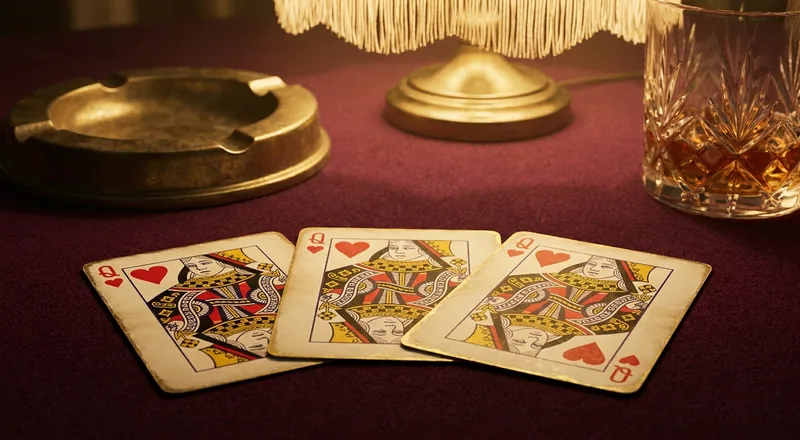
Melding
Lay down sets of matching ranks as in classic Canasta, but also build sequences of three or more cards of the same suit in order, such as the five, six, and seven of hearts, which may never contain wild cards.
Canastas
A set grown to seven cards is an ordinary canasta, while a same-suit sequence grown to seven cards is a samba worth a 1,500 bonus; your side needs two completed canastas or sambas to go out.
Taking the discard pile
You may take the pile when its top card completes a set you can make, but not to extend a sequence, so runs must be built patiently from cards you draw rather than captured wholesale.
Where Samba Comes From
Samba emerged in the early 1950s as Canasta's worldwide popularity inspired richer, larger versions of the game. Developed as the craze spread from South America outward, it expanded the two-deck original to three decks and introduced the idea of melding same-suit sequences, a significant departure from the set-only melding of classic Canasta.
The variant reached the United States during the height of the Canasta boom and was documented in the rule books that proliferated between 1950 and 1952. Its defining meld, the seven-card same-suit run worth 1,500 points, gave the game both its name and its distinctive Latin flavor, echoing the dance in spirit if not in origin.
Samba became the best known of the sequence-melding Canastas and a gateway to the even more elaborate three-deck games such as Bolivia that followed. It remains a favorite among players who have mastered classic Canasta and want a longer, more intricate contest, prized for the constant challenge of weaving matched sets and suited runs together.
Winning Strategy for Samba
💡 Top tip: Learn to see every card two ways, as a matched rank and as a link in a suited run, because the players who weave sets and sambas together score far faster than those who chase only one.
Tips that raise your score
- Never waste wild cards on a sequence; they are forbidden there, so save every two and joker for your mixed set canastas.
- Start a promising sequence early, since sambas take clean draws and cannot be captured from the pile.
- Keep collecting natural pairs to threaten the discard pile, which grows quickly under the two-card draw.
- Aim for two canastas or sambas before going out, and spread your building so you are never one short.
- Freeze the pile against opponents who are clearly assembling a big set, denying them an easy capture.
- Mind the 10,000-point target and the rising minimum meld, opening early in later hands when the threshold climbs.
Expert-level Samba tactics
- Decide for each suit whether you are chasing a samba or feeding sets, because a card committed to a run is a card denied to your matched melds, and indecision wastes both.
- Since sequences cannot be extended from the discard pile, treat the pile purely as a source of set cards and never delay a capture hoping it will help a run.
- Bank your wild cards toward mixed set canastas and toward freezing the pile, knowing they are useless inside the very sambas that score the most.
- Watch which suits your opponents discard freely; a suit they never release is one they are likely building into a sequence, so weigh denying it.
- Complete a samba only when its 1,500 bonus is safely within reach, since an unfinished six-card run scores nothing and ties up cards you cannot wild your way out of.
- With six red threes in three decks, the bonus swing is large, so make sure your side has a canasta secured before the hand ends to keep those points positive.
- Balance your two required melds so that if one stalls waiting on a clean sequence card, the other is a set you can finish with a wild and still go out.
Mistakes that cost beginners the hand
- Melding only same-rank sets - Samba lets you build same-suit sequences too, so start runs like 4-5-6 of hearts to open a second route to a canasta.
- Overloading a sequence with wild cards - a samba sequence must be natural to score its 1,500 bonus, so keep runs clean and save twos for your sets.
- Forgetting you draw two cards each turn - factor the faster hand growth into your discards so the three-deck stock does not run out on your terms.
- Trying to go out without the required canastas - Samba typically asks for two canastas including a samba, so confirm you have them before closing.
Samba Variations and House Rules
Bolivia
A three-deck relative that keeps sequences but adds wild-card canastas, called bolivias, and special rules for black threes, along with an even higher target, making for a longer and harder game.
Two-player Samba
Played head to head with the same three decks and sequence melds, turning the game into a tense duel where reading a single opponent's discards is especially rewarding.
Bonus values for sambas
Groups sometimes adjust the samba bonus or add rewards for multiple sambas, tuning how much the game revolves around chasing suited runs versus ordinary canastas.
Wild-card sequence house rules
A few casual tables relax the strict ban on wilds in sequences, which makes sambas far easier to complete but removes much of the game's intended tension.
Higher or lower targets
Some play Samba to a shorter target for a quicker game or a longer one for an all-evening session, adjusting how many hands the race to the finish will take.
Samba Questions and Answers
What is a samba?
A samba is a sequence of seven cards of the same suit in consecutive order, and it is the signature meld that gives the game its name. Completing one scores a large 1,500 bonus, on top of the value of the cards themselves. Building a samba is difficult because sequences may never contain wild cards.
How is Samba different from classic Canasta?
Samba uses three decks instead of two, lets you draw two cards each turn, and adds same-suit sequences as a second kind of meld alongside matched sets. It also raises the target to 10,000 points and puts six red threes in play. The core idea of melds, canastas, and the discard pile remains, but the sequence option changes everything.
Can sequences contain wild cards?
No. Sequences, and therefore sambas, must be built entirely from natural cards in consecutive rank and matching suit. Wild cards are only allowed in your ordinary matched sets. This restriction is what makes a completed samba so valuable and why patient, clean drawing matters so much in this game.
How many cards do I draw each turn?
You draw the top two cards of the stock each turn and then discard one, just as in two-handed Canasta. Drawing two keeps your hand full enough to juggle both sets and sequences and causes the discard pile to grow quickly, making a well-timed capture a powerful swing.
How many canastas do I need to go out?
Your side must complete at least two melds of seven cards, whether they are ordinary canastas, sambas, or a mix of the two, before anyone may go out. This two-canasta requirement, combined with the difficulty of finishing a wild-free samba, tends to make Samba hands longer and more intricate than classic ones.
Can I take the discard pile to extend a sequence?
No. You may take the pile only when its top card can be added to a matched set, either by melding it with a natural pair from your hand or by adding it to a set already on the table. You can never take the pile to lengthen a sequence, so runs must be built from drawn cards.
How many red threes are there?
Because Samba uses three decks, there are six red threes rather than four. Each is a bonus card set aside when drawn, and collecting several is worth a substantial number of points. As always the bonus counts in your favor only if your side has completed at least one canasta by the end of the hand.
What is the target score?
Samba is played to 10,000 points, double the classic target, reflecting the larger deck and the big samba bonuses. Reaching it takes several hands, so a full game is a longer commitment than classic Canasta, with more opportunity for the scores to swing as sambas and canastas are completed.
Can I mix wild cards into a set canasta?
Yes. Ordinary matched sets follow the usual rules, so a set canasta may include wild cards and count as a mixed canasta worth a smaller bonus. Only sequences forbid wilds. This split means you should funnel your twos and jokers into sets and keep your sequences strictly natural.
How does the minimum meld work in Samba?
Samba uses a score-based opening minimum similar to classic Canasta, rising as your team total climbs, often to higher steps than the classic game. Your first meld of each hand must meet that count from natural and wild card values before bonuses, so a strong hand still has to clear the bar to get started.
Is Samba hard to learn?
The basic rules are only a small step beyond classic Canasta, but playing well is genuinely intricate because you must evaluate every card as both a set member and a sequence link at once. Beginners can pick it up quickly, while the depth of juggling two meld types keeps it rewarding for experienced players.
Can Samba be played by two people?
Yes. Like most Canasta variants it adapts to two players, each playing alone with the same three decks, two-card draw, and sequence melds. The head-to-head game is a tense, information-rich duel, though many groups prefer the four-player partnership version for the fuller table and the extra cooperation it allows.
Keep Learning Samba
- Compare Samba with every other Canasta variant in the rules hub
- Look up any term from this page in the Canasta glossary
- Browse the full Canasta FAQ
- Test your skills on today's Daily Deal
Still curious about Samba? The complete Canasta rules break down every variant side by side, and the games hub helps you pick your next table.
Last updated .