Play Modern American Canasta
The modern tournament game: frozen pile, special one-turn hands, and a strict clean-canasta finish.How American Works
In a nutshell: The modern tournament game: frozen pile, special one-turn hands, and a strict clean-canasta finish. It is played by 4 players with 2 decks plus jokers, rated strategic, and the goal is: first side to 8,500 points.
Modern American Canasta is the tournament-refined version of the game as it is played in clubs across North America today. It keeps two decks and four players in partnerships but tightens the classic rules into a sharp, calculating contest. The discard pile is effectively frozen to you until your side has melded, and taking it always requires a natural pair from your hand, which shifts the game away from luck and toward planning. To go out you must have completed the right mix of canastas, typically a natural and a mixed one, so a hasty close is rarely possible. The most striking additions are the special hands: assemble a particular pattern, such as a hand of pairs or an all-wild collection, and you can lay it down to go out in a single turn for a large bonus, a dramatic surprise that keeps opponents honest. With a target of 8,500 points and wild-card canastas worth chasing, the modern game rewards deep planning, disciplined melding, and a keen sense of when to spring a special hand.
American belongs to the Modern branch of Canasta. If it suits you, deal a hand of Cuban Canasta or Italian Canasta next, or go back to the standard game of Classic Canasta. If any move below is new to you, the Canasta rules walk through the deal, melding and going out step by step, and the Canasta glossary defines terms like a natural canasta, a wild card and freezing the pile. When you want to compete, take American to today's daily deal or play a friend in live multiplayer, and see where your score lands on the leaderboard.
Quick facts about American
| Goal | Partner up to build the required mix of canastas, usually a natural and a mixed one, and go out first, or spring a special one-turn hand, on the way to 8,500 points. |
|---|---|
| Cards | 2 standard 52-card decks plus jokers |
| Players | 4 players (two partnerships) |
| Difficulty | Strategic |
| Winning target | First side to 8,500 points |
| Family | Modern |
Playing a turn, step by step
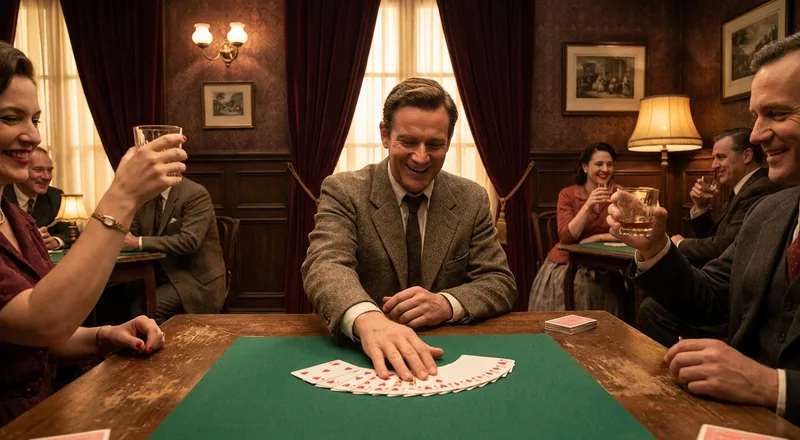
Goal
Partner up to build the required mix of canastas, usually a natural and a mixed one, and go out first, or spring a special one-turn hand, on the way to 8,500 points.
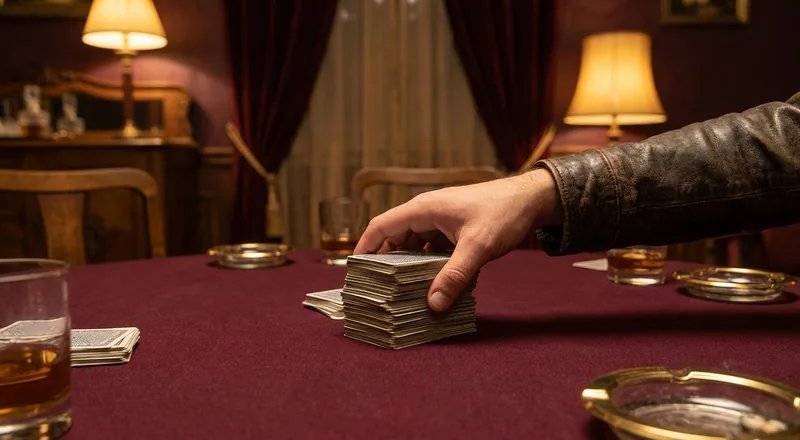
Taking the discard pile
The pile is frozen to your side until you have melded, and even then you may take it only by holding a natural pair matching its top card, so captures must be planned rather than seized on luck.
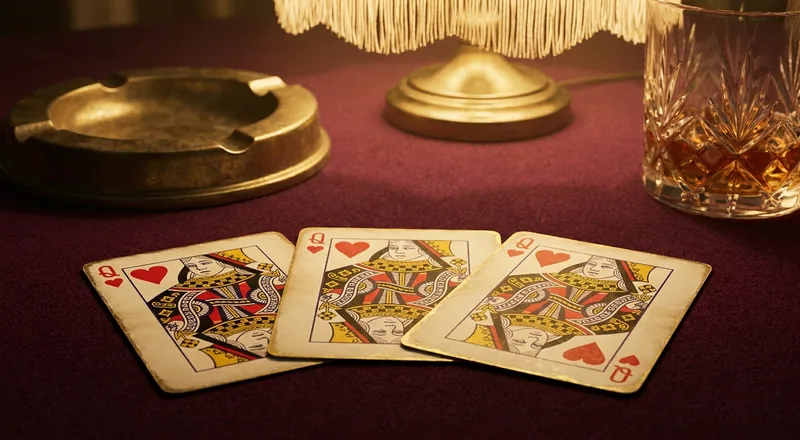
Melding
Draw one card, then lay down matched sets that meet your score-based minimum, building toward the specific canastas your side needs, since a loose meld now can leave you unable to close later.
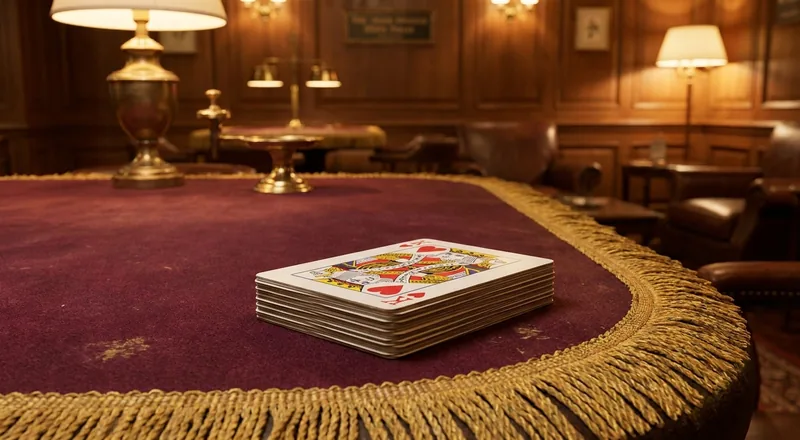
Canastas
Complete the canastas your rules require to go out, most often at least one clean natural canasta and one mixed canasta, and note that wild-card canastas are also allowed and richly rewarded.
Wild cards
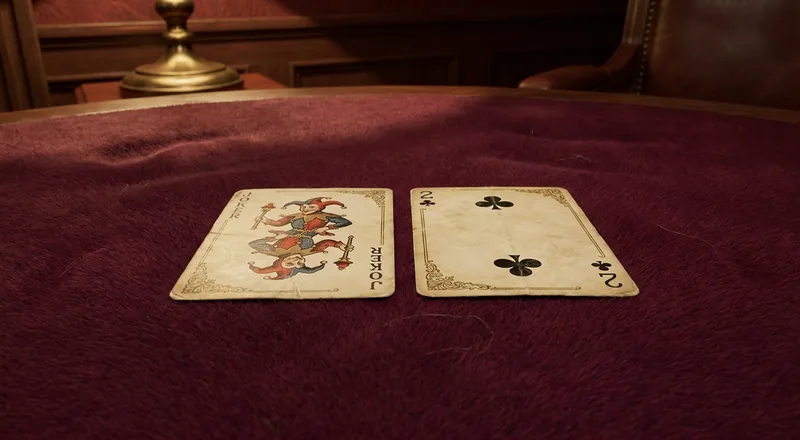
Use jokers and twos to build mixed and wild-card canastas, and watch for special hands, particular patterns such as sets of pairs or all wild cards, that let you go out in one turn for a big bonus.
Where American Comes From
Modern American Canasta is a recent codification rather than a mid-century original. As the classic game aged, North American clubs and teachers refined its rules to reduce luck and reward skill, gradually settling on a standardized set of conventions that could support organized, competitive play among experienced groups.
This modern form freezes the discard pile until a side has melded, always requires a natural pair to take it, and demands a specific mix of canastas to go out. It also introduced special hands, dramatic one-turn winning patterns that have no counterpart in the 1950s game, giving the modern version a distinctive character and a fresh strategic dimension.
Taught in clubs and lessons and increasingly treated as the default among serious players in the region, Modern American Canasta represents the game's ongoing evolution. Where the classic version spread as a sociable craze, the modern rules were shaped deliberately for depth and fairness, making it the tournament standard for a new generation of enthusiasts.
Winning Strategy for American
💡 Top tip: Plan your canastas from the opening hand, because you cannot go out until you hold the required natural and mixed canastas, and a disorganized meld can leave you a card short at the finish.
Tips that raise your score
- Respect the frozen pile: gather natural pairs deliberately, since the pile never comes cheaply in the modern game.
- Keep an eye out for a special hand, and if the cards drift toward one, decide early whether to pursue that dramatic one-turn win.
- Build a clean canasta whenever the cards allow, as its higher value and the go-out requirement both reward it.
- Ration wild cards between your mixed canasta and a possible wild-card canasta rather than spending them at random.
- Track the minimum-meld ladder and open only when you can clear the required count in a single turn.
- Deny opponents the frozen pile late by discarding cards they cannot pair, and use black threes to seal it before you close.
Expert-level American tactics
- Because the pile is frozen until you meld and needs a natural pair thereafter, hoard high pairs as both a capture tool and a defensive reserve, and never fritter them away on early sets.
- Read your opponents' discards for the shape of a special hand; a run of unusual keeps and refusals can signal a rival is one turn from an all-at-once win, so freeze and deny accordingly.
- Commit to a special hand only when you can complete it reliably, since gathering a full set of pairs means passing up ordinary melds, and a failed attempt leaves you badly behind.
- Sequence your canasta-building so the required natural and mixed canastas both mature at once, letting you go out cleanly rather than sitting exposed with one finished and one lagging.
- Treat wild-card canastas as a high-value option when wilds flow your way, but weigh each wild against the mixed canasta you must complete to satisfy the go-out rule.
- Use the modern game's reduced luck to your advantage by planning several turns ahead; with the pile hard to steal, methodical builders beat opportunists over a full match to 8,500.
- Manage tempo near the target: when ahead, tighten up and deny the pile; when behind, consider a special hand or a wild-card canasta as a fast way to swing a large block of points.
Mistakes that cost beginners the hand
- Trying to go out on a dirty canasta - Modern American rules require a clean natural canasta to go out, so make sure one is complete before you close.
- Missing a special hand you nearly hold - watch for winning hands like Garbage or Pairs, since one can end the game instantly if you finish it.
- Feeding the pile cards that complete an opponent's special hand - discard cautiously, because these hands make a taken pile far more dangerous than usual.
- Melding too soon and revealing your plan - in the tournament style, hold back and set up a special hand rather than opening with ordinary melds.
American Variations and House Rules
Classic Canasta
The original 1950s partnership game, looser and more luck-driven, without frozen-from-the-start piles, strict go-out mixes, or special hands, and played to a lower 5,000-point target.
Special-hand lists
Clubs maintain their own catalogs of qualifying special hands and the bonuses each earns, so the exact patterns that allow a one-turn win differ from group to group.
Go-out requirements
The precise mix of canastas needed to close, and whether a wild-card canasta may substitute, varies slightly between clubs and changes how hands are built.
Minimum-meld ladders
Different groups use different score-based opening minimums, tuning how quickly a side can begin melding as its total rises.
Hand-and-Foot and South American cousins
Players who enjoy the modern game's structure often branch into the multi-deck Hand and Foot family or the three-deck South American variants for a change of pace.
American Questions and Answers
What is Modern American Canasta?
It is the standardized tournament version of Canasta played in clubs across North America today, sometimes just called American Canasta. It keeps the two-deck partnership framework but tightens the rules, freezing the discard pile, requiring a specific mix of canastas to go out, and adding dramatic special hands that can win in a single turn.
What are special hands?
Special hands are particular card patterns, such as a hand made entirely of pairs or a collection of wild cards, that let you lay everything down and go out in one turn for a large bonus. They are a signature feature of the modern game, rewarding players who spot the pattern early and adding a surprise threat that keeps opponents cautious.
How is the discard pile handled?
The pile is effectively frozen to your side until you have made your first meld, and taking it always requires a natural pair from your hand to match the top card. This removes much of the luck of an easy capture and makes the pile a planned objective rather than a lucky windfall, shifting the game toward skill.
What do I need to go out?
Your side must have completed the required mix of canastas, most commonly at least one natural canasta and one mixed canasta, before you may close. This requirement prevents a rushed finish and forces balanced building. The exact demands can vary slightly by club, so confirm them, but a natural-and-mixed pairing is the usual standard.
What is the target score?
Modern American Canasta is played to 8,500 points, higher than the classic 5,000 but below the three-deck games. Reaching it takes several hands of careful building. The strict go-out rules and frozen pile keep the scores from ballooning too fast, so a full match is a measured, strategic contest rather than a quick sprint.
Are wild-card canastas allowed?
Yes. The modern game permits canastas built entirely of wild cards and rewards them handsomely, giving players another high-value target when jokers and twos flow their way. Balancing the pursuit of a wild-card canasta against the mixed canasta you must complete to go out is one of the game's recurring strategic decisions.
How is it different from classic Canasta?
The modern game freezes the pile until you meld, always demands a natural pair to take it, requires a specific mix of canastas to go out, adds special one-turn hands, and plays to 8,500 points. These changes reduce luck and reward planning, turning the sociable classic into a sharper, more calculating tournament game.
Should I go for a special hand?
Only when the cards genuinely support it. Chasing a special hand means forgoing ordinary melds, so a failed attempt can leave you far behind. If your draws drift naturally toward a qualifying pattern and you can complete it reliably, the large one-turn bonus is well worth it; otherwise, stick to conventional canasta-building.
Why is the frozen pile so important?
Freezing the pile until you meld, and always requiring a natural pair to take it, means captures must be earned through planning rather than luck. This changes the entire rhythm of the game: you hoard pairs, time your melds carefully, and treat the pile as a strategic prize, which is central to the modern game's skill-first character.
Is Modern American Canasta harder than the classic game?
Most players find it more demanding, not because the moves are complicated but because the tighter rules reward deep planning and punish loose play. The frozen pile, strict go-out requirements, and special hands all reduce the role of luck, so skilled partnerships consistently outperform casual ones over a full match.
How many players and decks?
The standard game is four players in two partnerships using two standard decks with their jokers, the same materials as classic Canasta. What differs is the rules layered on top, which is why the same deck can produce either a relaxed family game or a sharp tournament contest depending on which version you play.
Where can I play the modern rules?
Modern American Canasta is the version favored by many North American Canasta clubs and taught in group lessons, so club play is the most common setting. Its standardized rules make it well suited to organized competition, and it is increasingly the default when experienced players in the region sit down for a serious game.
Keep Learning American
- Compare American with every other Canasta variant in the rules hub
- Look up any term from this page in the Canasta glossary
- Browse the full Canasta FAQ
- Test your skills on today's Daily Deal
Still curious about Modern American Canasta? The complete Canasta rules break down every variant side by side, and the games hub helps you pick your next table.
Last updated .