Play Bolivia Canasta
Three-deck Canasta with wild-card canastas, the bolivias, and suited runs called escaleras.How Bolivia Works
In a nutshell: Three-deck Canasta with wild-card canastas, the bolivias, and suited runs called escaleras. It is played by 4 players with 3 decks plus jokers, rated hard, and the goal is: first side to 15,000 points.
Bolivia is one of the most elaborate three-deck Canastas, building on Samba and pushing the game further in almost every direction. As in Samba you may meld same-suit sequences, and a seven-card run is here called an escalera, worth a rich bonus. Bolivia's headline addition is the wild-card canasta, a canasta made entirely of wild cards, known as a bolivia and worth an enormous 2,500 points. Black threes also gain new life, becoming meldable during play rather than serving only as blockers, which opens fresh tactical options. To go out, a side typically must have completed both an escalera and a bolivia, or the required mix its rules specify, so hands run long and the target climbs all the way to 15,000 points. The result is a demanding, high-scoring game full of enormous swings, where a single completed wild-card canasta can rewrite the standings. Bolivia rewards players who can hoard wild cards toward that huge bonus while still juggling sets and suited runs, making it a favorite of enthusiasts who have outgrown the gentler variants.
Bolivia belongs to the South American branch of Canasta. If it suits you, deal a hand of Samba or Brazilian Canasta next, or go back to the standard game of Classic Canasta. If any move below is new to you, the Canasta rules walk through the deal, melding and going out step by step, and the Canasta glossary defines terms like a natural canasta, a wild card and freezing the pile. When you want to compete, take Bolivia to today's daily deal or play a friend in live multiplayer, and see where your score lands on the leaderboard.
Quick facts about Bolivia
| Goal | Partner up to build sets, suited sequences, and wild-card canastas, aiming to complete the melds your rules require and be the first side to reach a lofty 15,000 points. |
|---|---|
| Cards | 3 standard 52-card decks plus jokers |
| Players | 4 players (two partnerships) |
| Difficulty | Hard |
| Winning target | First side to 15,000 points |
| Family | South American |
Playing a turn, step by step

Goal
Partner up to build sets, suited sequences, and wild-card canastas, aiming to complete the melds your rules require and be the first side to reach a lofty 15,000 points.

The deal
Three full decks with their six jokers are shuffled together and each player is dealt a hand, with the remaining cards forming the stock and one card turned up to begin the discard pile.

Melding
Meld matching sets and same-suit sequences of three or more cards, where a completed seven-card run is called an escalera, and take advantage of black threes, which Bolivia lets you meld during play.
Wild cards
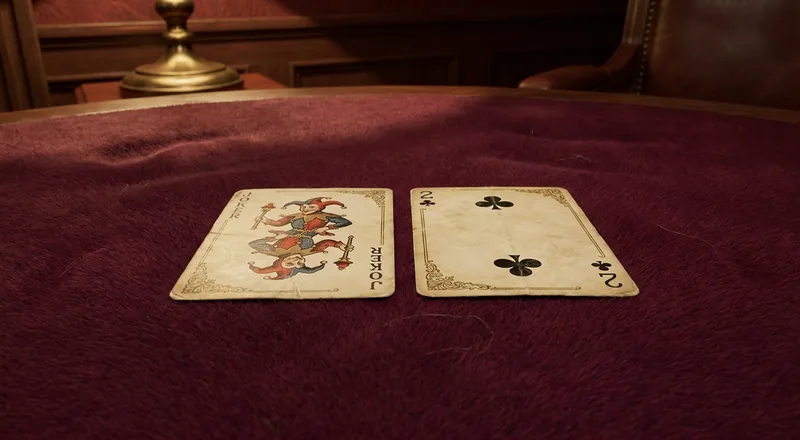
Collect jokers and twos not only to pad mixed sets but to build a bolivia, a canasta made entirely of wild cards that scores a huge 2,500-point bonus and is central to winning the game.
Canastas
Finish canastas of seven cards in several forms, natural sets, escaleras, and wild-card bolivias, and complete the particular combination your rules demand, usually including a bolivia, before your side can go out.
Where Bolivia Comes From
Bolivia is one of several three-deck Canastas that developed in South America in the wake of the original game's explosive success. Building directly on Samba, which introduced suited sequences, Bolivia added the wild-card canasta and a raft of extra rules, part of a wave of ever more elaborate variants that spread across the continent in the 1950s.
As Canasta fever moved north and around the world, these advanced South American forms traveled with it, documented in the rule books and columns that flourished during the craze. Bolivia appealed to players who had mastered the basic game and wanted a longer, higher-scoring contest with more moving parts and bigger bonuses to chase.
Named, like several of its siblings, for a South American country, Bolivia has endured as a favorite among Canasta enthusiasts and clubs. Its combination of sequences, wild-card canastas, and meldable black threes makes it one of the richest members of the family, a game that rewards long experience and careful management of the deck's thirty-six wild cards.
Winning Strategy for Bolivia
💡 Top tip: Hoard wild cards toward a bolivia. A completed wild-card canasta is worth 2,500 points and is often required to go out, so treat every joker and two as gold rather than filler.
Tips that raise your score
- Keep building escaleras from clean draws, since suited runs cannot use wilds and take time to assemble.
- Use the new freedom to meld black threes to your advantage, but weigh it against their value as discard-pile blockers.
- Do not spend wilds patching small sets when you need them for the bolivia that lets you close.
- Threaten the discard pile with natural pairs, because the three-deck pile grows fat and rewarding.
- Aim for both an escalera and a bolivia early, so you are not scrambling for a required canasta at the end.
- Track the 15,000-point target and the steep minimum meld, opening only when you can clear the rising bar.
Expert-level Bolivia tactics
- Ration your wild cards deliberately between the bolivia you must finish and the mixed sets that speed you there, because a wild spent in the wrong place can leave the bolivia a card short.
- Since escaleras demand consecutive naturals in one suit, start them as soon as three cards line up and note which suits your opponents starve, as those are the runs they are hiding.
- Exploit meldable black threes to unload dead cards and build toward going out, but keep at least one back if you may want to seal the pile on your closing turn.
- Because a bolivia swings 2,500 points, protect yours fiercely: never discard a wild card in the late game, and freeze the pile rather than feed opponents who may be building their own.
- Plan the go-out combination from mid-hand, checking that you can realistically finish every required canasta, since being stuck one wild card short of a bolivia can strand a winning hand.
- With six red threes and huge canasta bonuses, the swings are violent, so secure a completed canasta early to keep red threes positive and cushion a bad closing draw.
- When ahead near 15,000, weigh a fast, modest close against a slower hand that completes a bolivia, since the giant bonus can end the game outright while a rushed out leaves it in play.
Mistakes that cost beginners the hand
- Refusing to build a wild-card canasta - Bolivia rewards a full canasta of wilds (a bolivia) worth big points, so collect twos and jokers toward one.
- Overlooking black-three sequences - the escalera meld of black threes in a run scores here, so save black threes rather than always dumping them.
- Melding sequences carelessly with wilds - keep your escaleras and clean runs natural where the rules demand it, so they count for full value.
- Chasing an early exit against the high target - with 15,000 points to win, focus on stacking canastas and bonuses rather than rushing a thin go-out.
Bolivia Variations and House Rules
Samba
The three-deck parent that introduced suited sequences but lacks the wild-card canasta and meldable black threes, making it a somewhat gentler and lower-scoring game than Bolivia.
Uruguay
A close relative that pushes wild-card canastas even further, scoring them higher and building whole hands around the huge swings they create, generally regarded as even harder than Bolivia.
Go-out requirements
Tables vary on exactly which canastas a side must complete to close, from an escalera and a bolivia to longer checklists, which strongly affects how long each hand lasts.
Bolivia bonus values
Some groups adjust the points for bolivias and escaleras, tuning how much the game revolves around hoarding wild cards versus building suited runs and ordinary canastas.
Black-three rules
How freely black threes may be melded, and whether a canasta of them earns a bonus, differs between tables and changes their tactical weight considerably.
Bolivia Questions and Answers
What is a bolivia?
A bolivia is a canasta made entirely of wild cards, seven or more jokers and twos melded together, and it is the game's signature achievement. Worth a huge 2,500 points, it is usually required before a side can go out. Collecting that many wild cards without spending them elsewhere is the central challenge of the game.
What is an escalera?
An escalera is a sequence canasta, seven cards of the same suit in consecutive order, much like a samba in the related game. It scores a large bonus and, in most rule sets, is one of the canastas your side must complete to go out. Like all sequences it must be built entirely from natural cards.
How is Bolivia different from Samba?
Bolivia keeps Samba's three decks and suited sequences but adds the wild-card canasta, the bolivia, gives black threes the ability to be melded during play, and raises the target to 15,000 points. The go-out requirements are stricter too, so Bolivia is a longer, harder, higher-scoring game than its Samba parent.
Can I really meld black threes during the game?
Yes, and this is one of Bolivia's distinctive rules. Unlike classic Canasta, where black threes serve only as blockers and may be melded solely when going out, Bolivia lets you meld them during normal play. This gives them new tactical value, though many players still keep one back to seal the pile at a key moment.
What do I need to go out?
In most rule sets your side must have completed the required combination of canastas, typically including at least one escalera and one bolivia, before anyone may go out. The exact demands vary, so confirm them before playing. This strict requirement is a large part of why Bolivia hands run long and the final points swing so wildly.
How high is the target score?
Bolivia is played to 15,000 points, one of the highest targets among common Canasta variants. Combined with the enormous bolivia and escalera bonuses, this makes for a long game of big swings, where completing a single wild-card canasta can leap a trailing side back into contention or clinch the match outright.
Can a bolivia contain natural cards?
No. A true bolivia is composed entirely of wild cards, jokers and twos, with no natural cards mixed in. That purity is what makes it so hard to build and so richly rewarded. A canasta that mixes wilds with naturals is just an ordinary mixed set canasta and scores far less.
How many wild cards are in the game?
With three decks there are twelve jokers and twenty-four twos, thirty-six wild cards in all. That may sound like plenty, but they are spread among four players and constantly tempting as set filler, so gathering seven into a single bolivia while still building other melds is a genuine test of discipline.
Are there more red threes in Bolivia?
Yes. Three decks contain six red threes rather than the classic four. Each is a bonus card set aside when drawn, and collecting several is worth a substantial sum. As always, the bonus helps only if your side finishes the hand with at least one completed canasta, so secure one before the hand ends.
Why is Bolivia considered hard?
It asks you to juggle three kinds of meld at once, sets, escaleras, and the wild-card bolivia, while the strict go-out requirements and high target stretch every hand. Managing wild cards is especially delicate, since they are both the easiest way to finish sets and the only way to build the bolivia you likely need to close.
Can I lay off onto an escalera?
You may extend a sequence with the correct consecutive natural card in the right suit until it becomes a full escalera of seven, after which most rules close it to further additions. You can never add a wild card to a sequence, so an escalera stays pure from start to finish, unlike a matched set canasta.
How long does a game of Bolivia take?
Because of the 15,000-point target, the strict canasta requirements, and the difficulty of building bolivias and escaleras, a full game is a long affair, commonly running well beyond an hour. It is a game for players who enjoy a deep, unfolding contest rather than a quick sitting, with plenty of dramatic swings along the way.
Keep Learning Bolivia
- Compare Bolivia with every other Canasta variant in the rules hub
- Look up any term from this page in the Canasta glossary
- Browse the full Canasta FAQ
- Test your skills on today's Daily Deal
Still curious about Bolivia? The complete Canasta rules break down every variant side by side, and the games hub helps you pick your next table.
Last updated .